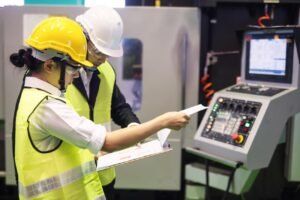
Importing products from China has become one of the most effective ways for businesses to reduce costs, expand product offerings, and increase profitability. From small eCommerce brands to large retailers, companies worldwide rely on Chinese manufacturers to produce a wide range of products.
However, successful importing requires more than simply finding a supplier and placing an order. Businesses must carefully evaluate suppliers, manage production, inspect quality, and coordinate shipping to avoid costly mistakes.
This guide explains the complete importing process step by step.
Why Businesses Import Products From China
China remains one of the world’s leading manufacturing hubs due to:
- Конкурентоспособная цена
- Large production capacity
- Extensive supplier networks
- Manufacturing expertise
- Strong export infrastructure
These advantages make sourcing products from China attractive for businesses of all sizes.
Step 1 Identify the Right Product
Before contacting suppliers, businesses should clearly define:
- Технические характеристики продукта
- Target market
- Budget requirements
- Quality expectations
- Требования к упаковке
Detailed product information helps suppliers provide accurate quotations and reduces misunderstandings later.
Step 2 Research Suppliers
Finding reliable suppliers is one of the most important steps in the importing process.
Businesses commonly use:
- Alibaba
- Сделано в Китае
- Global Sources
- Trade shows
- Industry referrals
Rather than selecting the first supplier available, compare multiple options before making decisions.
Step 3 Conduct Supplier Verification
One of the most common mistakes importers make is skipping проверка поставщиков.
Перед оформлением заказа проверьте:
- Business registration
- Производственные возможности
- Местонахождение завода
- Опыт работы в сфере экспорта
- Системы управления качеством
Verification helps reduce sourcing risks and improves supplier selection.
Step 4 Request Product Samples
Никогда не размещайте крупный заказ, не ознакомившись с образцами.
Product samples allow buyers to evaluate:
- Качество продукции
- Материалы
- Functionality
- Упаковка
- Overall workmanship
The cost of sampling is small compared to the potential losses caused by poor-quality production.
Step 5 Negotiate Pricing and Terms
Once suitable suppliers have been identified, negotiations can begin.
Discuss:
- Product pricing
- MOQ requirements
- Сроки выполнения заказов
- Условия оплаты
- Требования к упаковке
Профессионал Китайский агент по поиску поставщиков can often help businesses negotiate more favorable pricing and production terms.
Step 6 Confirm Product Specifications
Before production begins, document all requirements clearly.
Specifications should include:
- Product dimensions
- Материалы
- Colors
- Logos
- Требования к упаковке
- Стандарты качества
Clear documentation helps prevent misunderstandings during manufacturing.
Step 7 Place the Order
After finalizing specifications and agreements, production can begin.
Most suppliers require:
- Deposit payment
- Signed agreements
- Approved samples
Production timelines vary depending on product complexity and order volume.
Step 8 Monitor Production
Many importers make the mistake of waiting until production is complete before checking progress.
Production monitoring helps identify:
- Задержки
- Material substitutions
- Manufacturing errors
- Quality concerns
Early intervention can prevent major problems later.
Step 9 Conduct Product Inspections
Product inspections are essential for quality assurance.
Уважаемый поставщик в Китае often coordinates inspections to verify:
- Качество продукции
- Packaging accuracy
- Order quantities
- Требования к соблюдению нормативных требований
Pre-shipment inspections help ensure products meet expectations before leaving the factory.
Step 10 Arrange Shipping
Once products pass inspection, shipping arrangements can be finalized.
Common shipping methods include:
Авиаперевозки
Лучшее для:
- Smaller shipments
- Urgent deliveries
- Higher-value products
Морские грузоперевозки
Лучшее для:
- Large shipments
- Lower transportation costs
- Bulk inventory
The appropriate shipping method depends on budget and delivery requirements.
Step 11 Manage Customs and Documentation
Importing products requires proper documentation.
Common documents include:
- Commercial invoice
- Packing list
- Bill of lading
- Certificate of origin
Accurate documentation helps avoid customs delays and compliance issues.
Step 12 Calculate Landed Costs
Many first-time importers focus only on product pricing.
However, total landed cost includes:
- Product cost
- Shipping fees
- Таможенные пошлины
- Taxes
- Inspection costs
- Warehousing expenses
Understanding total costs is essential for maintaining profitability.
Common Importing Mistakes
Businesses should avoid:
Выбор поставщиков исключительно по цене
Extremely low prices often create quality and reliability risks.
Skipping Supplier Verification
Verification remains one of the most effective ways to reduce sourcing risks.
Ignoring Product Inspections
Quality issues are much easier to resolve before products ship.
Плохая коммуникация
Clear communication helps prevent misunderstandings and production errors.
Как помогают услуги по поиску поставщиков товаров
Многие компании пользуются услугами профессионалов услуги по поиску поставщиков to simplify the importing process.
К таким услугам могут относиться:
- Поиск поставщиков
- Аудиты производственных предприятий
- Проверка поставщиков
- Контроль качества
- Координация логистики
This support helps businesses focus on growth while reducing sourcing challenges.
Заключение
Importing products from China offers significant opportunities for businesses seeking competitive manufacturing solutions. However, success depends on careful planning, supplier selection, quality control, and logistics management.
By following a structured importing process and working with reliable sourcing partners when necessary, businesses can reduce risks, improve efficiency, and build stronger supply chains for long-term success.