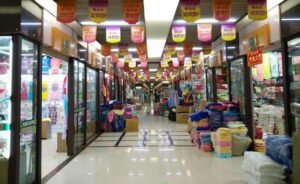
China remains one of the world’s leading manufacturing hubs, supplying products to businesses across virtually every industry. From electronics and apparel to home goods and industrial equipment, companies continue to source products from Chinese manufacturers because of competitive pricing and production capacity.
However, finding reliable suppliers can be challenging, especially for first-time importers.
Many businesses lose money due to fake suppliers, poor product quality, hidden costs, and communication problems. While sourcing from China offers tremendous opportunities, success depends on selecting trustworthy manufacturing partners.
In this guide, we’ll explain how to find suppliers in China while minimizing risks and avoiding common scams.
Why Businesses Source Products From China
China has become a preferred sourcing destination for several reasons:
Competitive Pricing
Manufacturing costs remain attractive compared to many other countries.
Extensive Product Selection
Businesses can source virtually any product category.
Advanced Manufacturing Capabilities
Many Chinese factories use modern production technologies.
Escalabilidade
Manufacturers can often accommodate both small and large orders.
Despite these advantages, finding the right supplier requires careful research and verification.
Common Supplier Scams to Avoid
Understanding potential risks is the first step toward protecting your business.
Fake Manufacturers
Some companies present themselves as factories but are actually middlemen or fraudulent operators.
Low-Quality Product Substitution
A supplier may provide high-quality samples but deliver lower-quality products during mass production.
Hidden Charges
Unexpected fees may appear after negotiations are completed.
Deposit Fraud
Some fraudulent suppliers disappear after receiving payment.
Recognizing these risks helps businesses approach sourcing more carefully.
Where to Find Suppliers in China
Several sourcing channels can help businesses identify manufacturers.
Online B2B Platforms
Popular platforms include:
- Alibaba
- Fabricado na China
- Global Sources
These platforms provide access to thousands of suppliers.
However, businesses should still conduct independent verification.
Feiras comerciais
Industry exhibitions offer opportunities to meet suppliers face-to-face.
Os benefícios incluem:
- Product demonstrations
- Direct communication
- Factory introductions
- Relationship building
Supplier Directories
Professional directories often provide additional supplier information and business credentials.
Sourcing Professionals
Many businesses work with a agente de aprovisionamento na China to identify reliable suppliers and conduct verification before placing orders.
This approach often reduces sourcing risks and saves significant time.
How to Verify a Chinese Supplier
Verification is one of the most important parts of the sourcing process.
Check Business Registration
Request company registration documents and verify their legitimacy.
Review Export History
Experienced exporters often have a stronger understanding of international requirements.
Evaluate Factory Capabilities
Confirm that the supplier has the equipment and resources needed to fulfill your order.
Verify Certifications
Review industry certifications relevant to your product category.
Request References
Speak with existing customers when possible.
These steps help reduce supplier-related risks.
Solicitar amostras de produtos
Never place a large order without reviewing product samples.
Samples allow businesses to evaluate:
- Qualidade do produto
- Material consistency
- Normas de embalagem
- Manufacturing accuracy
Sample testing often reveals potential issues before significant investments are made.
Although sampling requires time and expense, it is far less costly than receiving a defective bulk order.
Conduct Factory Audits
Factory audits provide deeper insight into supplier operations.
A professional audit may assess:
Production Facilities
Review manufacturing equipment and production processes.
Workforce Capabilities
Evaluate staffing and operational procedures.
Sistemas de Gestão da Qualidade
Assess inspection processes and quality standards.
Compliance Practices
Review certifications and regulatory requirements.
Many importers hire local inspection teams or sourcing specialists to perform audits on their behalf.
Communicate Clearly With Suppliers
Communication problems are responsible for many sourcing failures.
Businesses should provide detailed documentation including:
- Especificações do produto
- Technical drawings
- Requisitos de embalagem
- Expectativas de qualidade
- Prazos de entrega
Clear communication reduces misunderstandings and improves production outcomes.
Always confirm agreements in writing.
Compare Multiple Suppliers
One common mistake is choosing the first supplier that responds.
Instead, businesses should compare several manufacturers.
Evaluate:
- Pricing
- Capacidades de produção
- Qualidade da comunicação
- Delivery times
- Certificações
Comparing options improves decision-making and negotiation leverage.
Understand Payment Terms
Payment structures vary among suppliers.
Entre as disposições mais comuns contam-se:
Deposit and Balance
A deposit is paid before production, with the remaining balance due before shipment.
Letter of Credit
Often used for larger transactions.
Trade Assurance Programs
Certain sourcing platforms offer payment protection services.
Businesses should avoid sending full payment upfront to unfamiliar suppliers.
Why Many Businesses Use Sourcing Agents
Finding reliable suppliers requires time, expertise, and local market knowledge.
Many importers work with a Agente de aprovisionamento na China to simplify the process.
A sourcing professional can assist with:
- Pesquisa de fornecedores
- Factory verification
- Price negotiation
- Inspeções de qualidade
- Coordenação de envios
This support helps businesses avoid costly sourcing mistakes while improving supplier selection.
Sinais de alerta a ter em conta
Certain behaviors should raise concerns.
Entre os possíveis sinais de alerta contam-se:
Extremely Low Prices
Prices far below market rates often indicate quality or legitimacy issues.
Má comunicação
Slow responses and vague answers can signal future problems.
Reluctance to Share Documentation
Legitimate suppliers are generally willing to provide business information.
Pressure to Make Immediate Payments
High-pressure tactics should be approached cautiously.
Recognizing these warning signs helps businesses avoid risky partnerships.
Criar relações de longo prazo com os fornecedores
Successful sourcing extends beyond finding a supplier.
Strong supplier relationships often lead to:
- Preços mais vantajosos
- Produção mais rápida
- Improved quality
- Maior flexibilidade
Businesses that invest in long-term partnerships often achieve better sourcing results over time.
Conclusão
Finding suppliers in China can provide significant opportunities for business growth, but success requires careful planning and verification.
By researching suppliers thoroughly, requesting samples, conducting audits, comparing multiple options, and maintaining clear communication, businesses can significantly reduce sourcing risks.
Whether sourcing independently or working with a professional sourcing partner, taking the time to verify suppliers helps protect investments and build a stronger, more reliable supply chain.