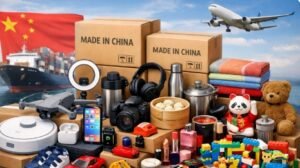
Choosing the right supplier is one of the most important decisions a business can make when sourcing products from China. While many importers focus primarily on pricing, successful businesses understand that long-term growth depends on supplier reliability, product quality, communication, and manufacturing capabilities.
A poor supplier can create production delays, quality issues, and financial losses. On the other hand, the right supplier can become a valuable business partner that supports growth for years to come.
This guide explains how businesses can evaluate suppliers effectively and build stronger sourcing relationships.
Why Supplier Selection Matters
Every aspect of your supply chain depends on supplier performance.
The supplier you choose directly impacts:
- Product quality
- Production timelines
- Customer satisfaction
- Inventory management
- Profitability
For this reason, supplier selection should never be rushed.
Businesses that invest time in evaluating suppliers typically experience fewer sourcing challenges and better long-term results.
Define Your Requirements First
Before contacting suppliers, clearly identify your needs.
Important factors include:
- Product specifications
- Quality requirements
- Budget
- Packaging expectations
- Production volume
- Delivery timelines
The more detailed your requirements are, the easier it becomes to identify suitable suppliers.
Research Multiple Suppliers
One of the most common mistakes importers make is choosing the first supplier they find.
Instead, compare several suppliers based on:
- Manufacturing capabilities
- Industry experience
- Export history
- Product specialization
- Customer feedback
Comparing multiple options increases the likelihood of finding the best manufacturing partner.
Conduct Supplier Verification
Before placing an order, businesses should complete a thorough supplier verification process.
Verification may include:
- Business registration checks
- Factory audits
- Production capability reviews
- Quality management assessments
These evaluations help confirm that suppliers are legitimate and capable of meeting expectations.
Skipping verification often creates unnecessary risks.
Evaluate Manufacturing Capabilities
Not all suppliers possess the same level of expertise.
Businesses should assess:
- Equipment quality
- Factory size
- Workforce capacity
- Technical expertise
- Production output
A supplier that can meet current requirements may not necessarily support future growth.
Choose a partner with scalability in mind.
Request Product Samples
Product samples provide valuable insights into supplier capabilities.
Samples help buyers evaluate:
- Product quality
- Materials
- Craftsmanship
- Embalagem
Reviewing samples before placing large orders reduces the likelihood of costly surprises.
Assess Communication Quality
Communication is often overlooked during supplier selection.
However, communication problems frequently lead to:
- Production errors
- Delays
- Misunderstandings
- Quality issues
Reliable suppliers typically respond promptly, answer questions clearly, and provide transparent information.
Consider Working With a China Sourcing Agent
Finding and evaluating suppliers can be time-consuming, especially for first-time importers.
Um profissional Agente de aprovisionamento na China can assist with:
- Supplier research
- Factory audits
- Negotiations
- Production monitoring
- Quality inspections
This support often reduces sourcing risks and saves valuable time.
Review Quality Control Systems
Quality management should be a priority when evaluating suppliers.
Ask suppliers about:
- Inspection procedures
- Testing standards
- Defect management processes
- Quality certifications
Strong quality systems often indicate a more reliable manufacturing operation.
Analyze Pricing Carefully
Competitive pricing is important, but businesses should avoid selecting suppliers solely because they offer the lowest quote.
Preços extremamente baixos podem indicar:
- Inferior materials
- Custos ocultos
- Fraco controlo de qualidade
- Limited production capabilities
Focus on overall value rather than price alone.
Build Long-Term Relationships
The most successful sourcing partnerships are built on trust and collaboration.
Long-term supplier relationships often result in:
- Better pricing
- Improved communication
- Priority production scheduling
- Greater flexibility
Investing in supplier relationships creates advantages that extend beyond individual transactions.
The Role of Product Sourcing Services
Many businesses use professional serviços de abastecimento de produtos to simplify supplier selection and management.
These services may include:
- Supplier screening
- Factory evaluations
- Supplier verification
- Production monitoring
- Controlo de qualidade
Professional support helps businesses make informed sourcing decisions while reducing risk.
Common Supplier Selection Mistakes
Avoid these common mistakes:
Choosing Based Solely on Price
Lowest-cost suppliers are not always the best choice.
Skipping Verification
Verification helps confirm supplier legitimacy and capabilities.
Ignoring Quality Systems
Quality issues often originate from weak manufacturing processes.
Não comparar fornecedores
Evaluating multiple suppliers improves decision-making.
Conclusão
Choosing the right supplier in China is one of the most important steps in building a successful importing business. By focusing on supplier verification, manufacturing capabilities, communication quality, and long-term partnership potential, businesses can reduce risk and create stronger supply chains.
The right supplier is not simply a vendor—they are a strategic partner that can support business growth for years to come.