Die Beschaffung von Produkten aus Übersee stellt Unternehmen, die einen zuverlässigen Warenbestand benötigen, vor besondere Herausforderungen. China ist nach wie vor ein globales Produktionszentrum, das unübertroffene Produktionskapazitäten und Kosteneffizienz bietet. Das Hauptanliegen vieler Importeure ist jedoch die Aufrechterhaltung konsistenter Standards für alle Produktionsläufe. Erfolgreich Beschaffung hochwertiger Waren in China erfordert ein proaktives Vorgehen bei der Lieferantenauswahl und beim Qualitätsmanagement. In diesem Leitfaden werden professionelle Strategien vorgestellt, die Ihnen helfen, die Komplexität des internationalen Handels effektiv zu bewältigen.
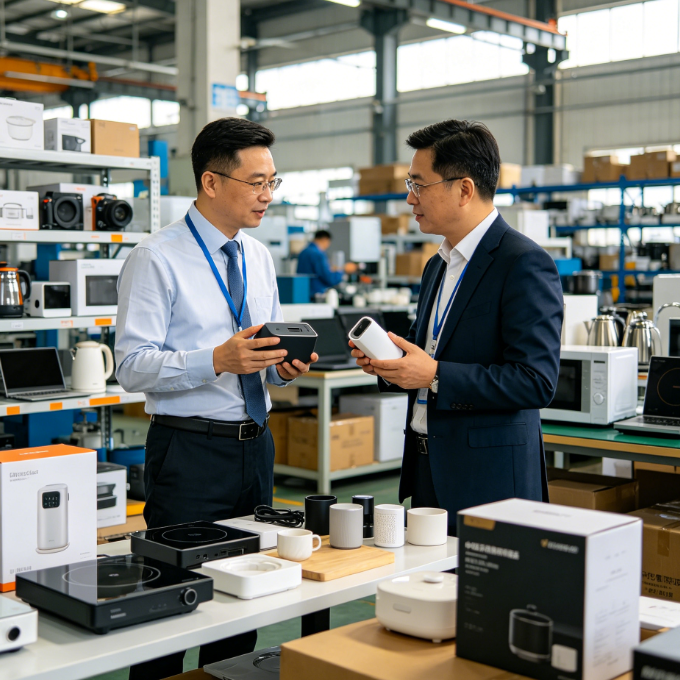
Warum die Überprüfung von Lieferanten für die Qualität unerlässlich ist
Die Grundlage jeder erfolgreichen Beschaffungsstrategie beginnt mit einer gründlichen Due-Diligence-Prüfung. Viele Käufer gehen fälschlicherweise davon aus, dass eine professionell aussehende Website ein Garant für eine qualitativ hochwertige Produktionsstätte ist. In Wirklichkeit gibt es auf dem chinesischen Markt eine Vielzahl von Unternehmen, z. B. Handelsgesellschaften und kleine Werkstätten. Um sicherzustellen, dass Sie Beschaffung hochwertiger Waren in China, müssen Sie die Rechtsstellung Ihrer Partner überprüfen.
Durchführung umfassender Fabrik-Audits
Ein formelles Fabrik-Audit bietet tiefe Einblicke in die Betriebskapazität eines Zulieferers. Während eines Audits bewerten Fachleute den Maschinenpark, das Fachwissen der Mitarbeiter und die internen Qualitätskontrollsysteme des Unternehmens. Branchenangaben zufolge sind fast 35% der Produktionsausfälle auf die Wahl eines Lieferanten zurückzuführen, der nicht über die richtige Ausrüstung verfügt. Die Überprüfung der ISO-9001-Zertifizierung ist eine Standardgrundlage für die Bestätigung, dass ein Betrieb die internationalen Qualitätsmanagementgrundsätze einhält.
Bewertung von Erfahrung und technischen Standards
Abgesehen von den rechtlichen Formalitäten ist es wichtig, die Erfahrung der Fabrik mit Ihrer spezifischen Produktkategorie zu bewerten. Ein Hersteller, der sich auf Elektronik spezialisiert hat, könnte aufgrund der unterschiedlichen technischen Anforderungen Schwierigkeiten mit der Textilproduktion haben. Eine Liste aktueller internationaler Kunden kann helfen, die Fähigkeit des Unternehmens zur Einhaltung globaler Standards zu beurteilen. Zuverlässige Lieferanten sind in der Regel transparent, was ihre bisherigen Leistungen und langfristigen Geschäftsbeziehungen angeht.
| Schritt der Verifizierung | Zweck | Auswirkungen auf die Qualität |
| Überprüfung der Geschäftslizenz | Bestätigung der rechtlichen Existenz | Verhindert betrügerische Transaktionen |
| Fabrik-Audit | Bewertung der Produktionskapazität | Sichert die technische Leistungsfähigkeit |
| ISO-Zertifizierung | Überprüfung der Verwaltungsstandards | Garantiert einheitliche Prozesse |
| Musterprüfung | Produktspezifikationen validieren | Bestätigt die Qualität des Materials |
Wie man strenge Qualitätskontrollprotokolle einführt
Die Einführung eines mehrstufigen Prüfverfahrens ist der effektivste Weg, um zu verhindern, dass fehlerhafte Produkte das Werk verlassen. Sich ausschließlich auf eine Endkontrolle zu verlassen, ist riskant, da Probleme, die am Ende entdeckt werden, oft schwer zu beheben sind. Professionelle Einkäufer nutzen stattdessen Inspektionen während der Produktion (DUPRO), um Fehler frühzeitig zu erkennen. Statistiken zeigen, dass die Identifizierung von Fehlern, wenn die Produktion 20% abgeschlossen ist, den Gesamtabfall um bis zu 15% reduzieren kann.
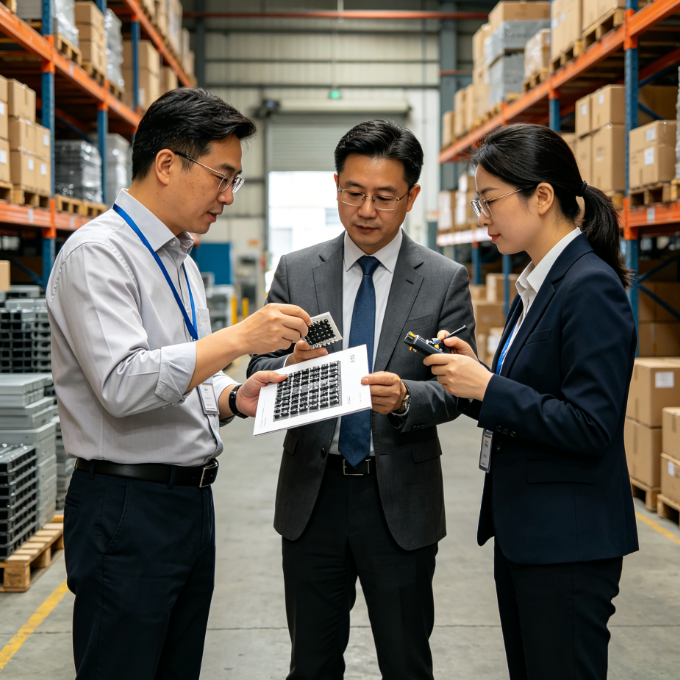
Anwendung von Standards für statistische Stichproben
Die Pre-Shipment Inspection (PSI) dient als letzter Gatekeeper, bevor die Waren in die Container verladen werden. Die Inspektoren verwenden den AQL-Standard (Acceptable Quality Limit), um festzustellen, ob eine Charge die vereinbarten Kriterien erfüllt. Diese statistische Stichprobenmethode ermöglicht eine wissenschaftliche Bewertung des gesamten Auftrags, ohne jede einzelne Einheit zu prüfen. In der Regel gilt ein AQL-Wert von 2,5 für schwerwiegende Mängel als Industriestandard für Unterhaltungselektronik.
Verhinderung von Qualitätsverlusten im Laufe der Zeit
Eine klare Kommunikation der technischen Spezifikationen ist ebenso wichtig, um “Qualitätsschwund” zu vermeiden. Dieses Phänomen tritt auf, wenn ein Lieferant nach und nach billigere Materialien einsetzt, um seine Gewinnspanne zu erhöhen. Um dem entgegenzuwirken, sollten Sie ein detailliertes “Produktspezifikationsblatt” in Ihren Kaufvertrag aufnehmen. Geben Sie jedes Detail an, einschließlich der Materialqualitäten und -abmessungen, damit kein Raum für Unklarheiten bleibt.
Entwicklung eines strategischen Beschaffungs- und Preisgestaltungsplans
Das Verhältnis zwischen Preis und Qualität ist im chinesischen Fertigungssektor ein heikles Gleichgewicht. Während wettbewerbsfähige Preise ein Hauptanreiz sind, führt das Streben nach dem niedrigstmöglichen Angebot oft zu Qualitätseinbußen. Es ist von entscheidender Bedeutung, den “Marktpreis” für Ihr spezifisches Produkt und die beteiligten Rohstoffe zu kennen. Wenn ein Angebot deutlich niedriger ist als andere, deutet dies in der Regel darauf hin, dass der Lieferant an der falschen Stelle spart.
Verstehen von Kostenstrukturen und -transparenz
Wirksam Beschaffung hochwertiger Waren in China Transparenz bei der Kostenaufschlüsselung. Einkäufer sollten nach Partnern suchen, die eine klare Beschaffung und Preisgestaltung Details, um versteckte Gebühren zu vermeiden und die Materialintegrität zu gewährleisten. Wenn Sie diese Faktoren analysieren, können Sie einen fairen Preis aushandeln, der es der Fabrik ermöglicht, hohe Standards einzuhalten. Eine qualitativ hochwertige Produktion erfordert qualifizierte Arbeitskräfte, was natürlich mit höheren Kosten verbunden ist.
Integration von Logistik und Produktqualität
Wenn sich Ihr Geschäftsmodell auf den Direktversand an Verbraucher stützt, wird die Haltbarkeit des Produkts während des Transports zu einem entscheidenden Qualitätsfaktor. Hochwertige Waren müssen mit einer robusten Verpackung gepaart werden, damit sie die Strapazen des internationalen Versands überstehen. Der Einsatz eines professionellen Dropshipping-Dienst kann dazu beitragen, dass die Qualitätskontrolle von der Fabrikhalle bis zur endgültigen Lieferung reicht. Wenn Sie Ihre Produktionsstandards mit Ihrer Fulfillment-Strategie abstimmen, ist sichergestellt, dass der Endkunde ein perfektes Produkt erhält.
Wie man die richtige Beschaffungspartnerschaft auswählt
Die Entscheidung, ob Sie direkt mit einer Fabrik zusammenarbeiten oder einen Sourcing-Service in Anspruch nehmen, hängt von der Größe Ihres Unternehmens ab. Für kleine und mittlere Unternehmen kann die Überwindung der kulturellen und sprachlichen Barrieren in China überwältigend sein. Ein professioneller Beschaffungspartner vertritt Sie direkt vor Ort und stellt sicher, dass Ihre Interessen gewahrt bleiben. Er gibt Ihnen ein unmittelbares Feedback über die Bedingungen in den Fabriken, die Sie nicht am Computerbildschirm sehen können.
Bewertung von Partnernetzwerken und Zuverlässigkeit
Ein zuverlässiger Partner sollte ein umfassendes Dienstleistungspaket anbieten, einschließlich der Suche nach Lieferanten und der Preisverhandlung. Er sollte auch eine reibungslose Kommunikation zwischen Ihrem Team und den Mitarbeitern der Fertigung ermöglichen. Diese Brücke ist wichtig, um komplexe technische Anforderungen zu klären, die in der Übersetzung verloren gehen könnten. Wenn ein Partner die Logistik vor Ort verwaltet, kann er auch die endgültige Verladung der Container überwachen, um Schäden zu vermeiden.
Lokales Know-how für Skalierbarkeit nutzen
Um den Wert eines Partners zu beurteilen, muss man sich sein lokales Netzwerk und seine bisherigen Erfolge ansehen. Wer über etablierte Beziehungen in bestimmten Produktionszentren wie Shenzhen oder Guangzhou verfügt, hat oft einen besseren Einfluss. Sie können sich mit den lokalen Geschäftsgepflogenheiten vertraut machen und Streitigkeiten effizienter lösen als ein Käufer aus dem Ausland. Letztendlich verwandelt die richtige Partnerschaft eine riskante internationale Transaktion in eine vorhersehbare und skalierbare Lieferkette.
Zusammenfassung
Sicherstellung Beschaffung hochwertiger Waren in China erfordert eine Kombination aus strenger Lieferantenüberprüfung, wissenschaftlichen Prüfmethoden und klarer technischer Kommunikation. Durch die Priorisierung von Fabrikaudits und die Einführung von AQL-basierten Inspektionen können Unternehmen die Fehlerquoten deutlich senken. Ein Gleichgewicht zwischen fairer Preisgestaltung und strengen Qualitätsstandards schafft eine nachhaltige und profitable langfristige Fertigungsstrategie.
FAQ
1. Wie kann ich überprüfen, ob ein chinesischer Lieferant eine Fabrik oder ein Händler ist?
Sie können den Status eines Lieferanten überprüfen, indem Sie die Geschäftslizenz “Scope of Business” prüfen und ein physisches Fabrikaudit durchführen.
Fabriken verfügen über Produktionsmaschinen und Fließbänder, während Händler in der Regel in Bürogebäuden arbeiten.
2. Wie lässt sich ein Qualitätsverlust bei langfristigen Aufträgen am besten verhindern?
Um Qualitätsmängel zu vermeiden, sind regelmäßige Kontrollen durch Dritte für jede Charge und Laboruntersuchungen der Rohstoffe erforderlich.
Sie sollten auch spezifische materielle Anforderungen in einen rechtsverbindlichen Vertrag aufnehmen, um die Einheitlichkeit der Partnerschaft zu gewährleisten.
3. Kann ich hochwertige Waren aus China beziehen, ohne die Fabrik zu besuchen?
Ja, Sie können qualitativ hochwertige Waren beschaffen, indem Sie ein seriöses Drittprüfungsunternehmen oder einen lokalen Beschaffungsagenten beauftragen.
Diese Fachleute fungieren als Ihre Augen und Ohren vor Ort, um die Qualität und den Produktionsfortschritt in Echtzeit zu überprüfen.
4. Was ist ein angemessener AQL für Verbraucherprodukte?
Der gängigste AQL-Standard für Konsumgüter ist 0 für kritische Fehler und 2,5 für größere Fehler.
Auf diese Weise können Sie auf statistisch aussagekräftige Weise sicherstellen, dass die Charge Ihren Qualitätserwartungen entspricht, ohne jeden einzelnen Artikel zu überprüfen.
Referenz-Quellen
Statista - China: Profil der verarbeitenden Industrie
QIMA - Normen für Qualitätskontrolle und Betriebsprüfung
Allgemeine Zollverwaltung der Volksrepublik China - Ausfuhrbestimmungen und Qualitätsdaten