Global businesses constantly evaluate where to manufacture their products to maintain high margins. When analyzing the costs of sourcing from China, many companies focus solely on the unit price. However, the total cost of acquisition involves a complex web of logistics, tariffs, and quality management fees. China remains a powerhouse due to its unparalleled infrastructure and deep supply chains. Yet, rising labor costs have led many to look at Southeast Asia or Mexico as alternatives. Understanding these financial dynamics helps brands make informed procurement decisions.
What Factors Determine the Total Costs of Sourcing from China?
The primary driver of costs of sourcing from China is the manufacturing output and material availability. China produces nearly 28% of the world’s manufacturing output, providing massive economies of scale. Direct costs include raw materials, factory labor, and tooling expenses for custom molds. Labor rates in coastal provinces now average between $800 and $1,100 per month. While higher than in Vietnam, Chinese productivity is often 20% to 30% higher due to automation.
Logistics and shipping represent the second major cost category. Ocean freight rates fluctuate based on seasonal demand and global oil prices. Export duties and local port handling fees also add to the final invoice. Furthermore, buyers must account for quality control inspections. Hiring a third-party inspector typically costs between $200 and $300 per man-day. This step is essential to prevent the much higher costs of receiving defective goods.

Administrative and Regulatory Expenses
Administrative and regulatory costs play a significant role in the overall budget. Compliance testing for standards like CE or FCC can cost thousands of dollars per product line. Importers must also navigate the complex landscape of tariffs, which vary by product category. Currency exchange fluctuations between the USD and RMB can further impact the bottom line. Accurate budgeting requires a holistic view of these “landed costs” rather than just the factory gate price.
| Cost Category | China (Average) | Southeast Asia (Average) | Mexico (Average) |
| Monthly Labor | $800 – $1,100 | $250 – $500 | $600 – $900 |
| Infrastructure Quality | Excellent | Improving | Good |
| Shipping Time to US | 20 – 35 Days | 25 – 40 Days | 3 – 7 Days |
| Supply Chain Depth | Very High | Moderate | Moderate |
Comparing Production Costs Across Global Markets
When examining the costs of sourcing from China compared to Vietnam or India, labor is the most cited difference. Vietnam offers labor costs that are roughly 50% lower than those in China’s Tier 1 cities. This makes it attractive for labor-intensive industries like apparel and simple footwear. However, Vietnam often imports raw materials from China, adding an extra layer of transport costs. These “hidden” logistics can narrow the price gap significantly.
India has emerged as a strong competitor in the electronics and chemical sectors. While land and labor are affordable, administrative bureaucracy can increase the time-to-market. Longer lead times translate into higher inventory carrying costs for the buyer. In contrast, China’s “clustered” manufacturing model ensures all components are within a short radius. This proximity reduces internal transport fees and speeds up the prototyping phase.
Nearshoring and Regional Advantages
Mexico is a primary choice for North American companies looking for “nearshoring” benefits. While hourly wages are comparable to China, the savings on freight are substantial. Shipping a container from China to the US might cost $4,000, while trucking from Mexico is much cheaper. Additionally, trade agreements allow many goods to enter the US duty-free. For heavy or high-volume items, Mexico often wins on total landed cost despite higher base manufacturing prices.
Hidden Expenses in International Procurement
O costs of sourcing from China often include “soft costs” that are difficult to quantify initially. Communication gaps and cultural differences can lead to production errors. If a factory misunderstands a technical specification, the cost of a re-run falls on the buyer. Managing these risks requires either frequent travel or an on-ground sourcing agent. Sourcing agencies typically charge a commission of 3% to 10% of the purchase value.
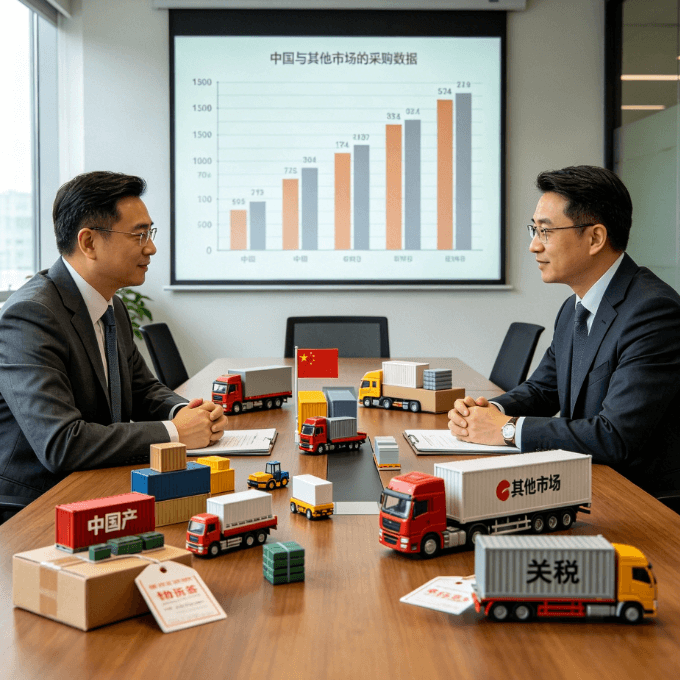
Intellectual property (IP) protection is another critical financial consideration. While China has improved its legal framework, the cost of filing patents and trademarks is necessary. Failure to secure IP can lead to counterfeit goods competing against your brand. Legal fees for drafting robust manufacturing agreements are an upfront investment. This investment prevents the catastrophic loss of market share to unauthorized sellers.
The Impact of Lead Times
Lead time variability also impacts the total cost of capital. A longer lead time means money is tied up in “work-in-progress” for months. If a shipment is delayed by two weeks, a retailer might miss a holiday sales window. This loss of revenue is a direct, albeit indirect, cost of the sourcing strategy. High-efficiency markets like China mitigate this through reliable port operations and massive shipping capacity.
How to Evaluate the Right Sourcing Model for Your Business
Choosing the best procurement path depends on your specific product complexity and volume. For startups, managing the costs of sourcing from China through a professional dropshipping service is highly efficient. This eliminates the need for upfront inventory investment and domestic warehousing. As the business scales, transitioning to direct sourcing and pricing structures allows for better per-unit deals. Evaluating the “break-even” point between these models is essential for sustainable growth.
Strategic buyers should prioritize markets that offer the best balance of risk and reward. If your product requires complex assembly and specialized components, China’s ecosystem is usually unbeatable. For simple, high-volume commodities, diversifying into lower-cost regions may reduce long-term risk. You should also consider the geopolitical climate and potential for future tariff increases. Diversification often adds complexity but provides a “buffer” against localized disruptions.
Selecting a Strategic Partner
Partnering with a sourcing professional can streamline this evaluation process significantly. An experienced partner provides transparency into factory pricing and helps negotiate better terms. They act as your eyes and ears on the factory floor to ensure quality. Ultimately, the right choice is the one that minimizes total landed cost while maximizing product reliability. Focus on building long-term relationships rather than constantly chasing the lowest quote.
Resumo
The total costs of sourcing from China include manufacturing, logistics, quality control, and duties. While labor is cheaper in some regions, China offers superior infrastructure and supply chain integration. Businesses must calculate the total landed cost to determine if China or a nearshoring alternative provides the best value for their specific needs.
FAQ
1. Is it still cheaper to source from China than from the USA?
Yes, for most manufactured goods, China remains significantly cheaper due to lower labor costs and massive industrial clusters. Even with tariffs, the scale of Chinese production reduces the per-unit cost beyond what most US factories can achieve.
2. How do shipping costs impact the total price of Chinese goods?
Shipping can add 5% to 20% to the total cost, depending on the product’s weight and volume. High-value, low-weight items are less affected by freight spikes than bulky furniture or raw materials.
3. What are the main hidden costs of sourcing from China?
The main hidden costs include quality control inspections, customs brokerage fees, bank transfer fees, and the cost of managing supplier relationships. Unexpected delays can also lead to lost sales, which is a significant indirect expense.
4. How can I reduce the costs of sourcing from China?
You can reduce costs by consolidating shipments, negotiating better payment terms, and conducting factory audits to prevent defects. Using a local sourcing agent can also help you find more competitive pricing and reliable manufacturers.
Fontes de referência
World Bank – Manufacturing, value added (% of GDP)
U.S. Department of Commerce – International Trade Administration
United Nations Conference on Trade and Development (UNCTAD) – World Investment Report