Fornecimento da China é a principal estratégia para as empresas que procuram soluções de fabrico escaláveis. Atualmente, a China é responsável por cerca de 28,4% do total da produção industrial mundial. Esta enorme capacidade industrial permite que as empresas reduzam os custos de produção, mantendo uma velocidade elevada.
Navegar com sucesso neste mercado requer um conhecimento pormenorizado das especialidades regionais e da logística. Deve concentrar-se na construção de relações transparentes com fábricas verificadas para garantir o sucesso a longo prazo. Uma estratégia de aquisição bem executada é a base de um negócio de retalho internacional rentável.
| Fase de aprovisionamento | Objetivo principal | Atividade principal | Resultados esperados |
| Descoberta | Encontrar fornecedores | Pesquisa e feiras em linha | Lista restrita de candidatos |
| Verificação | Mitigação de riscos | Auditorias de fábrica e amostragem | Parceiro de confiança confirmado |
| Logística | Eficiência de custos | Seleção de rotas e prazos | Fluxo de entrega optimizado |
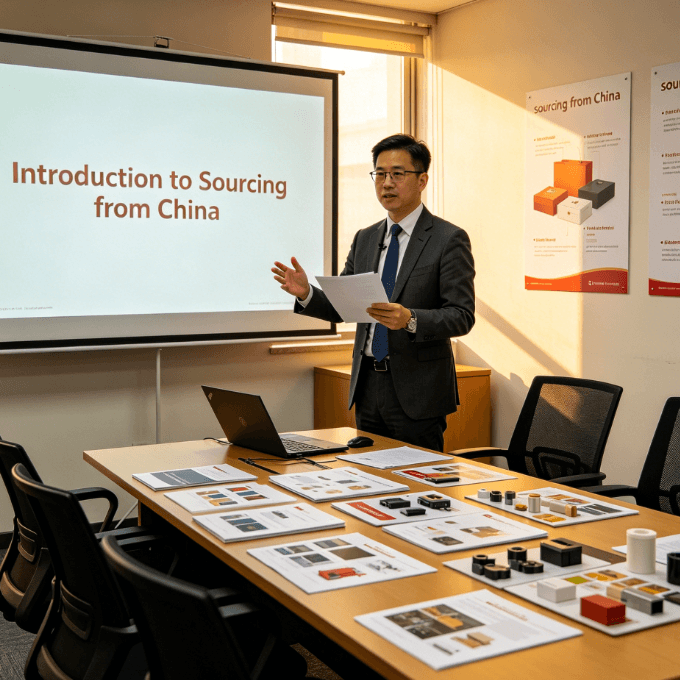
O cenário estratégico do aprovisionamento na China
A paisagem industrial chinesa está organizada em clusters industriais altamente especializados. Estes agrupamentos reúnem fornecedores de matérias-primas e fábricas de montagem em regiões geográficas específicas. Esta organização reduz significativamente os tempos de transporte doméstico e melhora a eficiência global da produção.
Identificação de pólos regionais de fabrico
Províncias como Guangdong e Zhejiang lideram o mundo da eletrónica e dos bens de consumo. Concentrar a sua pesquisa nestes centros garante o acesso a uma grande reserva de mão de obra qualificada. A orientação para regiões especializadas ajuda-o a encontrar fornecedores com os conhecimentos técnicos mais avançados.
Tirar partido da escala económica para obter lucros
A produção de grandes volumes na China conduz frequentemente a reduções significativas dos custos unitários. As linhas de montagem automatizadas e as cadeias de abastecimento maduras permitem iterações rápidas dos produtos. Aumentar a sua produção na China proporciona uma vantagem competitiva significativa nos mercados globais.
Protocolos de verificação e controlo de qualidade
A consistência da qualidade é o fator mais crítico quando abastecimento na China. É necessário implementar protocolos de verificação rigorosos para evitar os erros mais comuns na produção. As visitas regulares à fábrica ou as inspecções de terceiros são essenciais para manter elevados padrões de produto.
Implementação de auditorias eficazes às fábricas
Uma auditoria profissional confirma o estatuto jurídico e a capacidade de produção de um potencial parceiro. Deve verificar as licenças comerciais e as certificações internacionais durante a fase inicial de verificação. As auditorias exaustivas minimizam o risco de perdas financeiras e atrasos na produção.
Gerir o processo de amostragem de produtos
Solicite sempre amostras de pré-produção para verificar a qualidade do material e a exatidão do design. Este passo permite-lhe identificar e corrigir erros antes de iniciar a produção em massa. Testes rigorosos de amostras garantem que os produtos finais satisfazem os requisitos específicos do seu mercado.
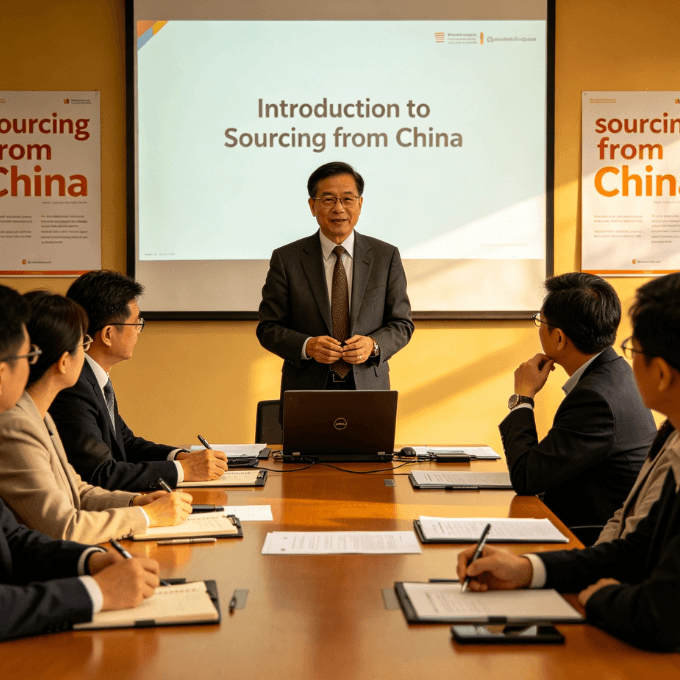
Estruturas de custos e logística internacional
Gerir o custo total de propriedade é vital para manter as suas margens de lucro. Para além do preço de fábrica, é necessário ter em conta o transporte, os direitos aduaneiros e as taxas de controlo de qualidade. Uma previsão exacta dos custos evita que as despesas inesperadas corroam os lucros da sua empresa.
Cálculo do custo total de aquisição
As taxas de serviço para assistência de sourcing profissional variam normalmente entre 3% e 10% da encomenda. Estas taxas incluem frequentemente a negociação de preços e inspecções de qualidade essenciais. A compreensão de cada componente de custo permite estratégias de preços de retalho mais precisas.
Navegar no transporte marítimo global e nos Incoterms
A escolha entre o transporte marítimo e o transporte aéreo depende do seu orçamento e do seu calendário. O frete marítimo oferece o custo mais baixo para artigos a granel, mas requer prazos de entrega mais longos. A seleção dos Incoterms corretos define as responsabilidades legais em matéria de transporte e seguro.
Escolher o seu parceiro de fornecimento e execução
A seleção do parceiro certo depende do seu modelo de negócio específico e da sua fase de crescimento. É necessário um parceiro que compreenda o mercado local e os seus requisitos de qualidade específicos. O prestador de serviços adequado actua como o seu escritório local para garantir o bom funcionamento das operações.
Avaliação de modelos de serviços e logística
Os parceiros profissionais fornecem estruturas claras para preços de sourcing para o ajudar a planear o seu orçamento. Se a sua empresa se centra no comércio eletrónico, um serviço de dropshipping pode simplificar todo o seu processo de execução. A escolha de um fornecedor de serviços integrados permite-lhe concentrar-se no marketing, enquanto eles tratam da cadeia de abastecimento.
Resumo
Fornecimento da China continua a ser a forma mais eficaz de aumentar a produção e maximizar as margens de lucro. O sucesso requer um equilíbrio entre a verificação de fornecedores, a gestão de custos e parcerias logísticas fiáveis. Ao seguir estes passos estratégicos, pode construir uma cadeia de fornecimento global resistente e altamente rentável.
FAQ
1. Como é que posso garantir a qualidade dos produtos quando os adquiro na China?
É necessário contratar um serviço de inspeção por terceiros para verificar os produtos antes de serem expedidos. Estes inspectores verificam se os produtos correspondem às suas amostras aprovadas e se cumprem todas as normas de segurança. A definição de parâmetros de qualidade claros no seu contrato inicial é a melhor forma de evitar defeitos.
2. Quais são os principais desafios para os novos importadores na China?
Os principais desafios incluem as barreiras linguísticas e a navegação em regulamentos aduaneiros complexos. Os novos importadores têm muitas vezes dificuldade em encontrar fornecedores fiáveis entre milhares de listas online. Trabalhar com um agente local pode ajudar a colmatar estas lacunas e reduzir o risco de burlas.
3. Como é que calculo o tempo de envio das minhas encomendas?
O transporte marítimo demora normalmente entre 30 e 45 dias a chegar aos principais portos ocidentais. A carga aérea é muito mais rápida, chegando normalmente no prazo de 5 a 10 dias, mas é mais cara. Deve sempre contar com um período adicional de 7 dias para o desalfandegamento e a entrega local.
Fontes de referência
Revisão da UNCTAD sobre o transporte marítimo
Statista Estatísticas globais de exportação
Relatórios sobre a cadeia de abastecimento do McKinsey Global Institute