For entrepreneurs looking to import goods from China, whether for an e-commerce platform or a physical store, choosing the right product is the most vital step. Inexperienced businessmen can easily select the wrong items, leading to significant waste of time and money.

This guide analyzes six product categories and offers practical advice to help you understand which products are best to import from China.
1. Trending Products
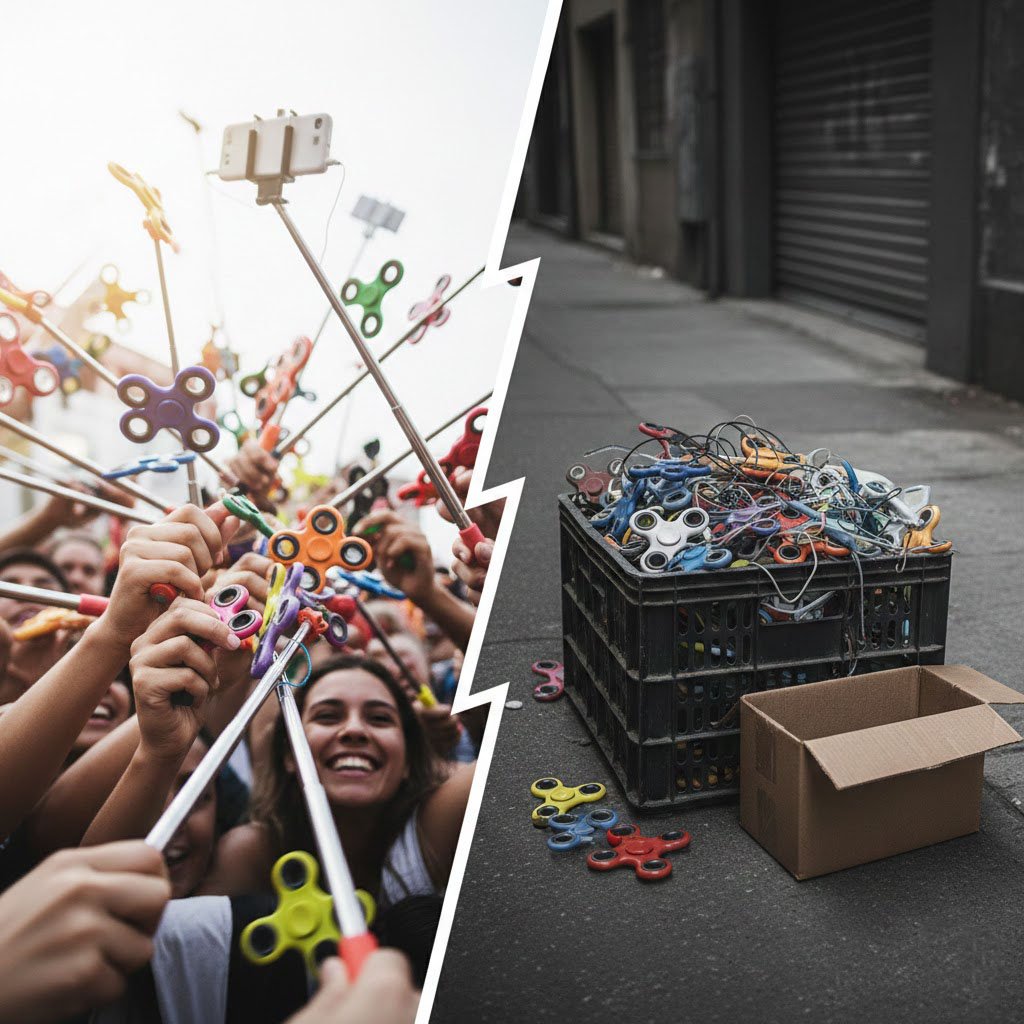
These products spread rapidly, like a virus, and attract many new sellers due to massive, short-term demand (e.g., fidget spinners, selfie sticks, or specific masks during a pandemic).
- Characteristics: High initial demand, fast market saturation.
- Challenge: The product lifecycle is short. Once the product reaches the stage where “everyone knows it,” the market is often saturated, supply exceeds demand, and profit margins shrink significantly.
- Recommendation: Not recommended for new importers. Only those with superior market insight, a robust distribution system, and strong promotional capabilities can profit quickly by entering the trend at the very start.
2. Low-Value but Large-Demand Products
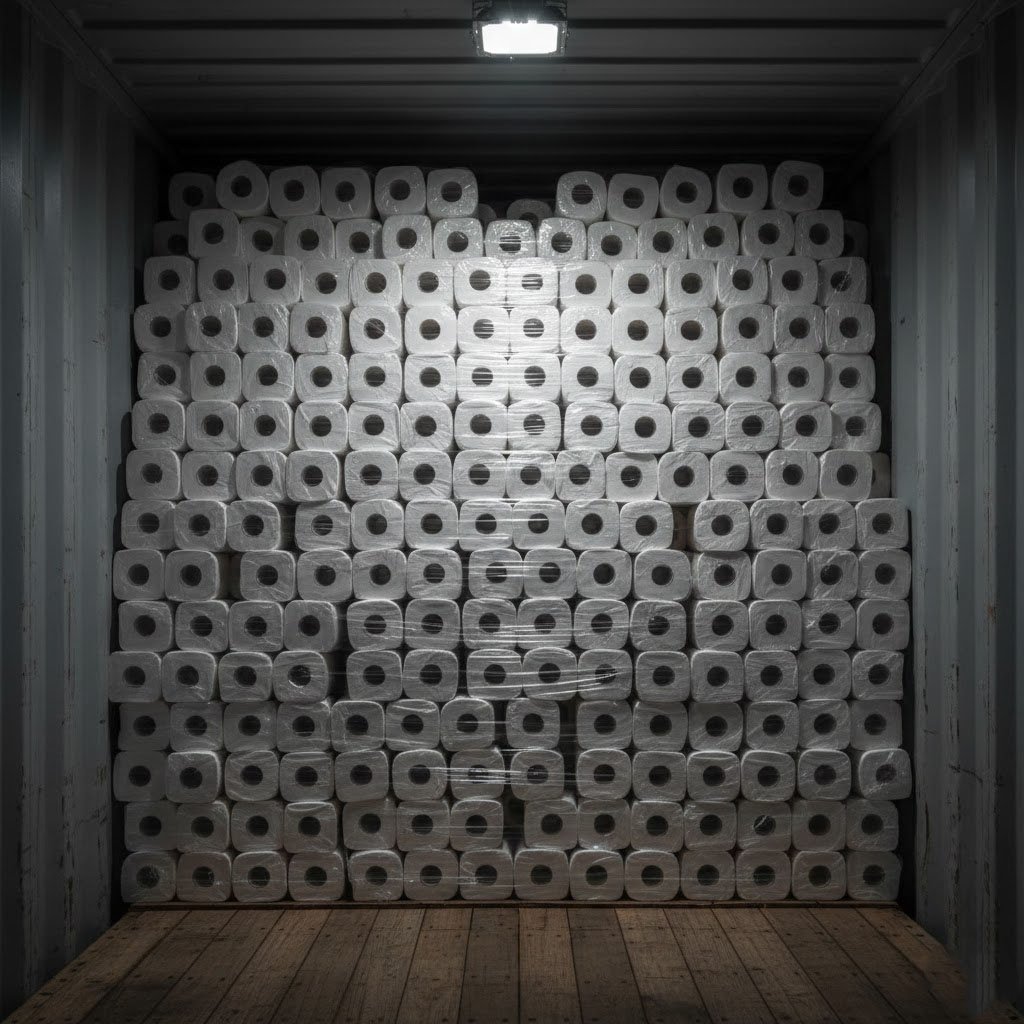
These are everyday consumables like toilet paper, disposable cups, or diapers. New importers often assume these are good options because of their low wholesale price in China and constant market demand.
- Challenge:
- High Shipping Cost Ratio: Since the product value is very low, the average shipping cost per unit is often very expensive relative to the selling price. To minimize this, you must import extremely large quantities (e.g., filling a 40HQ container).
- Local Competition: Many factories produce these items locally or in nearby countries, meaning the price difference from China might not be significant enough to cover the high logistics costs.
- Recommendation: Not suitable for new importers. Only proceed if you are importing for your own company’s use or have a guaranteed purchasing agreement with a large local buyer (like a supermarket) to secure competitive pricing.
3. Ordinary Daily-Use Consumer Products
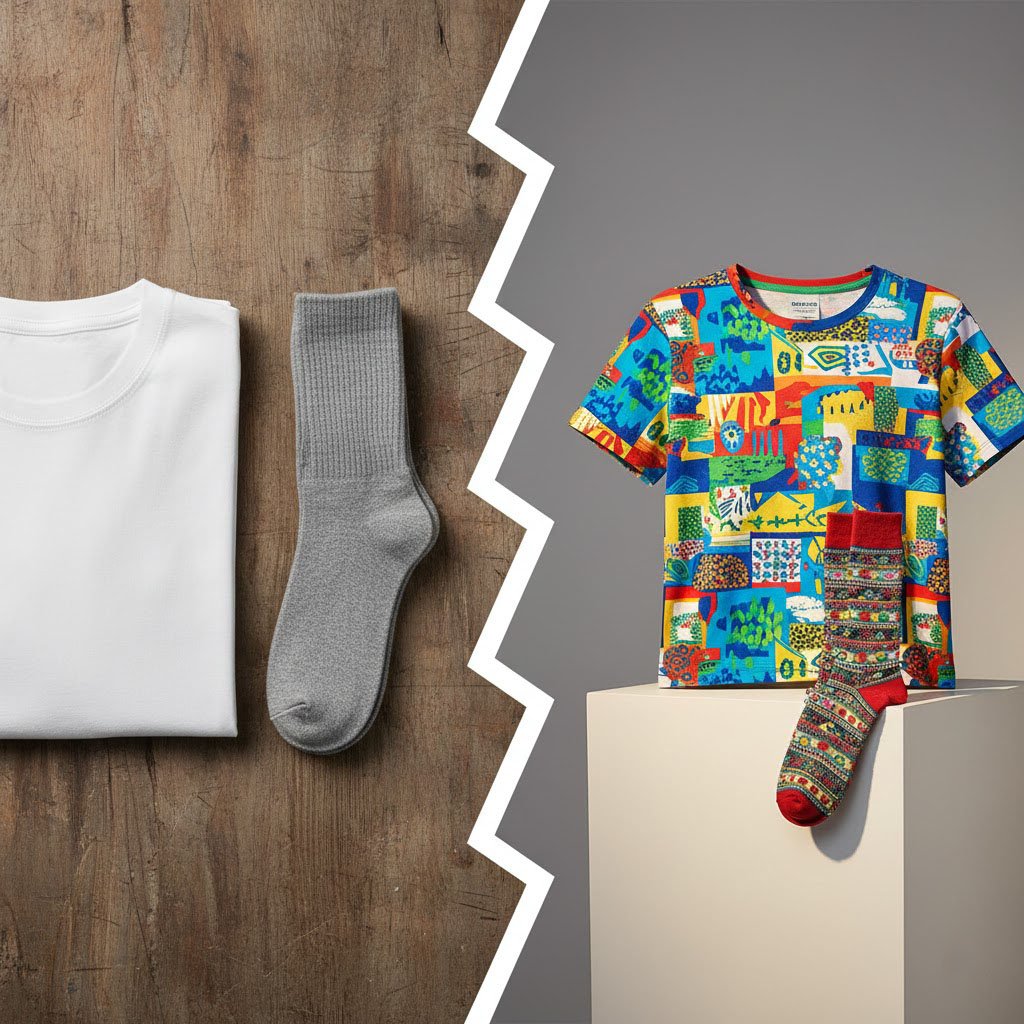
Basic items like towels, T-shirts, backpacks, and plain socks. While the production cost in China is low (e.g., cotton socks cost $$$0.3, but retail for $$$3), the perceived high profit margin is misleading.
- Challenge:
- Market Domination: In developed regions (like North America or Europe), the market for these basic goods is dominated by large retailers (e.g., big-box stores, fast-fashion chains).
- High Overheads: Operating a small online or offline store involves high costs for rent, labor, or online marketing, making it difficult to compete with major players.
- Solutions:
- Solution 1: Product Improvement/Differentiation. Make the product stand out. For example, brands like Happy Socks found success by selling ordinary socks with interesting and unique designs.
- Solution 2: Location Advantage. If you are in a developing country where the market is no monopolized by large retailers and such goods are still sold mainly in small street stores, you may have an opportunity.
4. Small Demand Products in a Small Niche
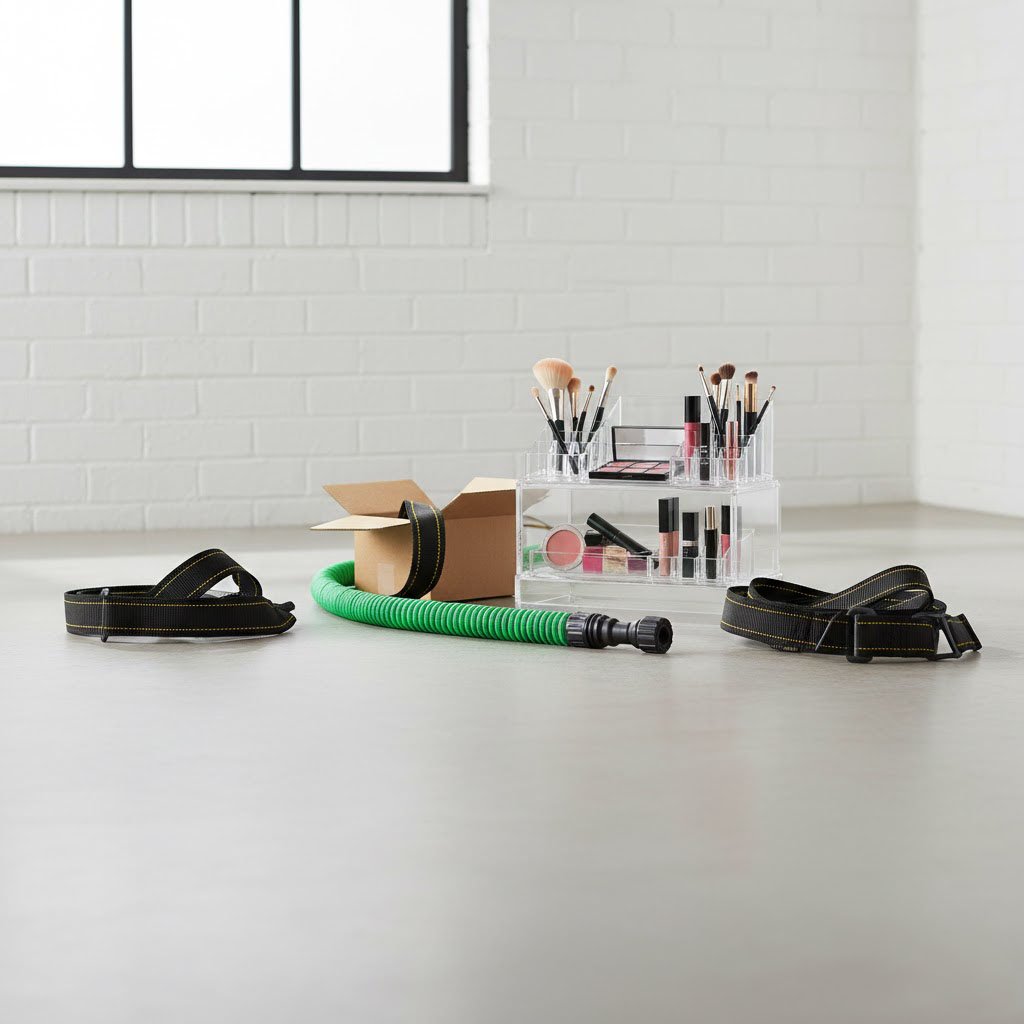
Products targeting a very specific market segment where the demand volume is small but focused. This is often cited as the best strategy for e-commerce.
- Ventajas:
- Low Competition: Fewer competitors sell the exact same specialized product.
- Higher Profit Margins: Customers are willing to pay a premium for specialized items that meet their needs.
- Case Study: Many successful million-dollar sellers on platforms like Amazon and Shopify focus on niche products. Examples include expandable garden hoses, moving straps, or acrylic makeup organizers.
- Recommendation: Highly recommended for new importers to try. By concentrating on a single product type, it is possible to achieve significant revenue.
5. Brand Products
International brands like Nike, Xiaomi, or Huawei that are manufactured in China.
- Challenge: Most brand manufacturers have their own official distribution networks. You cannot typically purchase these products directly from the original Chinese manufacturer at prices significantly below the official retail rate.
- Import Opportunities:
- Situation 1: Authorized Retailer. If there are no official retailers in your country, and you can afford the import costs, you can attempt to import them. Crucially, your supplier must provide a letter of authorization for sales issued by the brand company. Without this, customs may flag the goods as counterfeit.
- Situation 2: Second-Hand or Parts. Importing second-hand brand items or parts (e.g., used iPhones, replacement iPhone screens/motherboards) is a viable business, as many repair centers worldwide source these components from China.
6. A Specific Product Category
The strategy of dedicating your business to a single product category and continuously discovering new opportunities within that category.
- Ventajas:
- Long-Term Strategy: Suitable for building a multi-million dollar business over 5 to 10 years.
- Brand Building: It’s easier to build your own brand and accumulate a stable, loyal customer base when focused on one category.
- Case Studies: A client specialized in women’s underwear grew rapidly; another client running a luxury resort developed their own branded cosmetic product series.
- Recommendation: If your goal is long-term business growth, choose a category you are interested in, and develop potential products under it, gradually establishing your own brand.