La complejidad y la rapidez del comercio mundial exigen soluciones innovadoras para las compras. Los métodos manuales de abastecimiento suelen ser demasiado lentos y propensos a errores. Sin embargo, el auge de la Agente de abastecimiento basado en IA cambia radicalmente esta dinámica. Estos sistemas inteligentes aprovechan el aprendizaje automático para automatizar, optimizar y ejecutar decisiones de abastecimiento a nivel global.
Un agente de abastecimiento basado en inteligencia artificial amplía sus capacidades a lo largo de todo el ciclo de vida de las compras. Se encarga de la identificación inicial de proveedores, las negociaciones complejas y la gestión crucial de los contratos. Además, su capacidad para analizar continuamente grandes conjuntos de datos garantiza un valor óptimo y un menor riesgo en cada transacción. Esta evolución tecnológica es esencial para mantener la competitividad en los mercados internacionales.

Definición del agente moderno de abastecimiento basado en IA
El agente de abastecimiento con inteligencia artificial (IA) moderno es más que un simple programa de computación; es un socio estratégico de negocios. Identifica oportunidades y gestiona riesgos de manera autónoma, brindando un nivel de conocimiento que los equipos que trabajan de manera manual no pueden igualar. Comprender su definición y función precisas aclara su valor estratégico.
¿Qué es un agente de abastecimiento basado en IA?
Un agente de abastecimiento basado en inteligencia artificial es un sistema sofisticado que funciona a partir de algoritmos. Está diseñado para actuar en nombre de una organización compradora con el fin de alcanzar de manera autónoma los objetivos de abastecimiento. Estos objetivos suelen incluir la optimización de los costos, la calidad y los plazos de la cadena de suministro. Utiliza análisis predictivo y aprendizaje profundo para fundamentar sus decisiones.
A diferencia de las herramientas automatizadas tradicionales, este agente puede adaptarse a los cambios dinámicos del mercado. Por ejemplo, puede recalcular los costos logísticos al instante en función de la congestión portuaria o los aumentos repentinos en el precio del combustible. En consecuencia, realiza las transacciones en el momento más ventajoso, lo que brinda una ventaja competitiva.
La evolución del papel en las compras internacionales
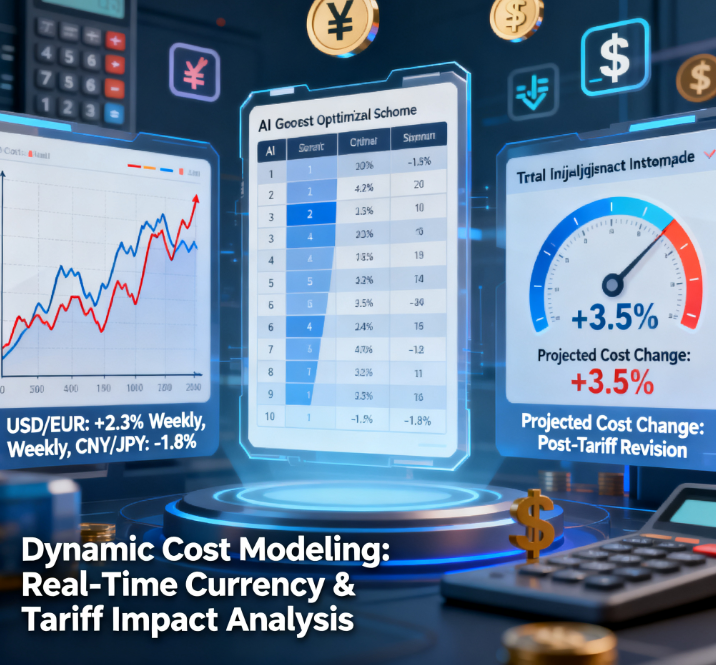
El papel del agente de abastecimiento basado en inteligencia artificial se ha ampliado considerablemente más allá del simple apoyo transaccional. Hoy en día, actúa como analista estratégico y motor de ejecución. Supervisa continuamente los mercados mundiales de materias primas y los tipos de cambio.
Además, gestiona los procesos de solicitud de propuestas (RFP) de principio a fin, desde su emisión hasta la selección final. Para las empresas que recurren a un agente de compras en China, el sistema de inteligencia artificial garantiza que el conocimiento del mercado local se aplique de manera consistente y se evalúe en comparación con los parámetros de desempeño globales. La función del agente se centra cada vez más en la creación de valor estratégico.
Funciones y responsabilidades principales
Las responsabilidades delegadas a un agente de abastecimiento basado en IA abarcan tareas críticas, de gran volumen y que requieren un uso intensivo de datos. Al automatizar estas funciones esenciales, el agente garantiza rapidez, precisión y el cumplimiento de estrictas normas de conformidad.
Identificación y verificación automatizadas de proveedores
Una capacidad clave del agente de abastecimiento basado en inteligencia artificial es su capacidad para encontrar y evaluar socios potenciales a nivel mundial. Analiza bases de datos públicas, registros financieros y documentos regulatorios para evaluar el cumplimiento normativo y la estabilidad. Este proceso es continuo y sumamente riguroso.
Además, el agente utiliza el aprendizaje automático para calificar a los proveedores en función de su confiabilidad prevista y su desempeño histórico. Señala cualquier inconsistencia o posible problema ético. Por lo tanto, solo los proveedores de alta calidad que hayan sido evaluados previamente pasan a la fase de negociación.
Negociación dinámica y ejecución de contratos
El agente de abastecimiento basado en IA se destaca en la negociación, ya que utiliza la teoría de juegos para simular y adaptarse a diversas tácticas de los proveedores. Puede ajustar al instante sus ofertas y contraofertas para asegurar las mejores condiciones posibles. Esta rapidez minimiza el tiempo de negociación y maximiza los ahorros.
Además, el agente gestiona todo el ciclo de vida del contrato. Redacta documentación estandarizada y garantiza el cumplimiento de los marcos legales internacionales. Asimismo, supervisa continuamente el desempeño de los proveedores en relación con los términos del contrato, señalando de inmediato cualquier desviación.
Mitigación proactiva de riesgos y seguridad de la cadena de suministro
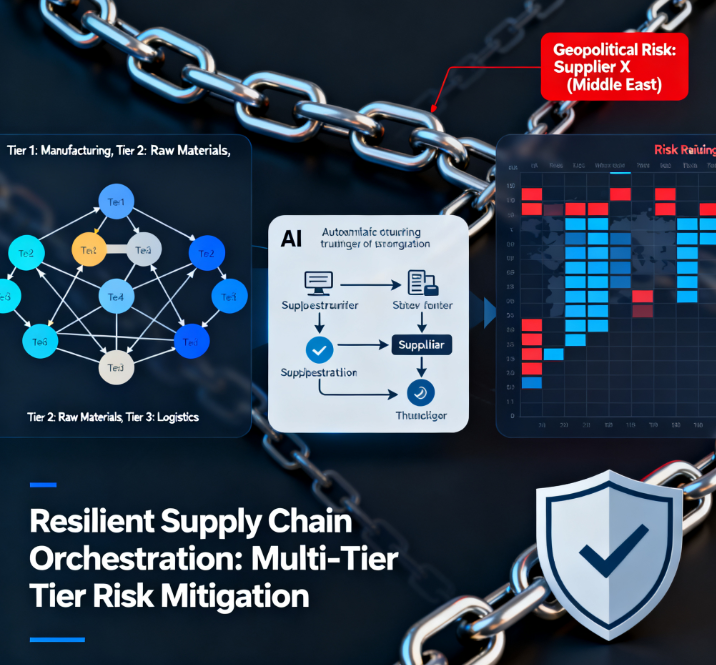
Las cadenas de suministro globales están intrínsecamente expuestas a riesgos externos. El agente de abastecimiento basado en inteligencia artificial analiza constantemente los acontecimientos en tiempo real, incluyendo cambios geopolíticos, fenómenos meteorológicos extremos e interrupciones logísticas. En consecuencia, predice posibles puntos de falla antes de que afecten las operaciones.
Por ejemplo, si el agente detecta una huelga repentina en un centro de producción clave, automáticamente comienza a buscar inventario de respaldo. Ejecuta al instante los planes de contingencia almacenados en su sistema. Esta seguridad proactiva garantiza un flujo ininterrumpido de materiales y una mayor estabilidad operativa.
Ventajas estratégicas en el comercio internacional
La integración de un agente de abastecimiento basado en inteligencia artificial ofrece beneficios claros y cuantificables que garantizan una sólida posición competitiva en el comercio internacional. Estas ventajas están directamente relacionadas con la maximización de la eficiencia, la minimización de los costos y el aumento de la agilidad organizacional.
Optimización de costos sin precedentes
El agente genera ahorros de costos mediante una optimización continua basada en datos. Analiza simultáneamente variables complejas, como descuentos por volumen, plazos de entrega y condiciones de pago. Identifica y ejecuta al instante las estrategias de abastecimiento más rentables.
Además, el agente de abastecimiento basado en IA identifica oportunidades para consolidar los gastos entre las diferentes unidades de negocio. Elimina los esfuerzos de compra redundantes y aprovecha las economías de escala para obtener mejores precios. El impacto financiero acumulado mejora significativamente la rentabilidad.
Mayor cumplimiento normativo y transparencia
El cumplimiento de las leyes de comercio internacional, los aranceles y los mandatos éticos es innegociable. El agente de abastecimiento basado en IA garantiza que cada compra cumpla con todas las regulaciones globales y locales pertinentes. Verifica automáticamente a cada proveedor contra las listas de sanciones.
Esta transparencia integrada minimiza el riesgo de costosas sanciones legales o de que se vea afectada la reputación de la marca. El agente genera un registro de auditoría claro para cada transacción.
Agilidad y escalabilidad superiores
La capacidad del agente de abastecimiento basado en inteligencia artificial para operar las veinticuatro horas del día ofrece una rapidez sin igual. Reduce drásticamente el tiempo necesario para los proyectos de abastecimiento estratégico. Además, el sistema se adapta fácilmente para gestionar aumentos masivos en el volumen de proveedores o nuevos requisitos de compras regionales.
Esta agilidad inherente permite a la empresa ingresar a nuevos mercados o lanzar nuevos productos con rapidez. Le brinda una ventaja decisiva por ser la primera en actuar frente a los competidores que dependen de procesos manuales más lentos.
Implementación del agente de abastecimiento con IA
La integración exitosa de un agente de abastecimiento basado en inteligencia artificial requiere una estrategia clara y controlada que aborde tanto la implementación tecnológica como la gestión del cambio organizacional. Un enfoque por etapas garantiza una interrupción mínima y el máximo retorno de la inversión.
Estrategia de implementación por etapas
Comience la implementación del agente de abastecimiento basado en IA asignándole la gestión de gastos indirectos de baja complejidad y gran volumen. Este entorno inicial ofrece un espacio seguro para probar y entrenar sus algoritmos con datos del mundo real. La supervisión continua por parte de un equipo humano es fundamental durante esta fase.
A continuación, aumenta gradualmente la complejidad, permitiendo que el agente administre categorías de gasto directas y estratégicas. Integra el sistema sin problemas con los sistemas financieros y de gestión de la cadena de suministro existentes. Este enfoque gradual genera confianza y garantiza la estabilidad en toda la organización.
Marco de preparación y gobernanza de datos
La eficacia de cualquier agente de abastecimiento basado en inteligencia artificial depende directamente de la calidad de los datos de entrada. Asegúrate de que todos los datos maestros de los proveedores, las tablas de precios y las métricas históricas de desempeño estén limpios y estandarizados. Invertir en la calidad de los datos es fundamental.
Además, se debe establecer un marco de gobernanza sólido que defina el alcance de la autonomía del agente. Debe mantenerse la supervisión humana en lo que respecta a las decisiones estratégicas. El agente debe complementar la inteligencia humana, no sustituirla por completo.
Encontrar al socio adecuado: la IA y el factor humano
La integración del agente de abastecimiento basado en inteligencia artificial no elimina la necesidad de contar con profesionales humanos con experiencia. Por el contrario, redefine el papel del ser humano, centrando su experiencia en la gestión estratégica de las relaciones y en las negociaciones complejas.
La evolución del papel del agente de compras
El agente de compras tradicional pasa de ser un simple ejecutor de transacciones a convertirse en un líder estratégico. Su enfoque se centra ahora en resolver disputas complejas con los proveedores e impulsar la innovación a través de alianzas. Por ejemplo, un agente de compras local en China aporta una perspectiva cultural y una profundidad en las relaciones que ninguna IA puede replicar.
El agente de abastecimiento basado en inteligencia artificial se encarga de la mayor parte del procesamiento de datos y de la velocidad de ejecución. Los agentes humanos se enfocan en aprovechar esa información para construir relaciones valiosas y de largo plazo con los proveedores. Este modelo colaborativo maximiza el desempeño general del abastecimiento.
Criterios clave para evaluar soluciones de inteligencia artificial
Al elegir una solución de agente de abastecimiento basada en inteligencia artificial, las organizaciones deben dar prioridad a la transparencia. El sistema debe ofrecer ‘explicabilidad’, lo que permite a los usuarios comprender el razonamiento detrás de sus decisiones. La confianza se basa en una lógica clara.
Además, evalúa las capacidades de integración del sistema con la infraestructura de TI actual. La seguridad, la escalabilidad y los casos de éxito verificables de otras empresas de tu sector también son factores fundamentales para establecer una alianza confiable.
Aplicación práctica: Estudio de caso en logística
Una empresa global de comercio electrónico se enfrentaba a una enorme volatilidad en las tarifas de flete y la capacidad de envío. Su equipo, que trabajaba de manera manual, tenía dificultades para conseguir precios favorables y consistentes. Por ello, implementaron un agente de abastecimiento basado en inteligencia artificial (IA) específicamente para gestionar las compras de logística a nivel mundial.
El agente analizó al instante los precios en tiempo real de cientos de líneas navieras y agentes de carga. Identificó y aseguró la capacidad con semanas de anticipación, garantizando así las tarifas óptimas. El sistema también redirigió dinámicamente los envíos durante los cierres inesperados de puertos. Esta automatización, gestionada por el agente de abastecimiento con IA, redujo el gasto anual en logística en un diez por ciento y eliminó los retrasos en los envíos durante la temporada alta.
El valor estratégico del agente de abastecimiento basado en inteligencia artificial
La adopción de un agente de abastecimiento basado en inteligencia artificial transforma la función de compras, que pasa de ser un centro de costos a convertirse en una fuente estratégica de ventaja competitiva. Esto potencia la capacidad de toda la organización para desenvolverse en los mercados globales con rapidez y resiliencia.
Esta tecnología ofrece una inteligencia superior, lo que permite a los equipos ejecutivos tomar decisiones más rápidas y precisas sobre la asignación de recursos. En definitiva, el agente de abastecimiento con inteligencia artificial es una inversión fundamental que garantiza la optimización continua, la seguridad de la cadena de suministro y el crecimiento futuro del negocio.
Tendencias futuras y la evolución del reclutamiento basado en IA
Las capacidades del agente de abastecimiento basado en inteligencia artificial se están expandiendo rápidamente, avanzando hacia un futuro de compras cognitivas y éticamente integradas. Estos sistemas avanzados revolucionarán la forma en que las empresas administran todo su ecosistema de suministro.
Selección cognitiva y predictiva
La próxima etapa en la evolución de los agentes de abastecimiento basados en inteligencia artificial implicará la computación cognitiva. Estos integrarán datos no estructurados —como el sentimiento en las noticias y las notas de las reuniones con proveedores— en su proceso de toma de decisiones. Se volverán predictivos, pronosticando los cambios en los precios de las materias primas y la capacidad de los proveedores con mayor precisión con meses de anticipación.
Esta visión a largo plazo permite a las empresas celebrar contratos a plazo y realizar compras estratégicas al por mayor en los momentos óptimos. Los agentes de inteligencia artificial se convertirán en verdaderos asesores estratégicos que orientarán la planificación financiera de alto nivel.
Mandatos éticos y sostenibles
Los futuros agentes de abastecimiento basados en IA incorporarán requisitos éticos y de sustentabilidad directamente en sus algoritmos. Supervisarán de manera autónoma el desempeño de los proveedores según estrictos estándares ambientales, sociales y de gobernanza (ESG). El sistema podría suspender automáticamente la relación con los proveedores que no cumplan con los requisitos.
Esta capacidad convierte al abastecimiento sostenible en un proceso continuo y automatizado. El agente se convierte en una herramienta indispensable para alcanzar los objetivos de responsabilidad social corporativa y proteger el valor de la marca.
Conclusión: Cómo lograr una ventaja competitiva
El agente de abastecimiento basado en inteligencia artificial está revolucionando las compras globales, ofreciendo ventajas indispensables en cuanto a velocidad, costos y gestión de riesgos. Al implementar estratégicamente esta tecnología inteligente, las empresas pueden construir cadenas de suministro altamente eficientes, resilientes y ágiles. Asociarse con el agente de abastecimiento basado en inteligencia artificial es el paso definitivo para asegurar una posición dominante en el mercado internacional del futuro.