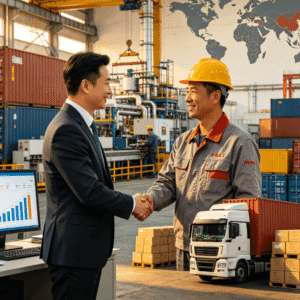
Scaling a modern enterprise requires a balance between cost efficiency and product innovation. Many successful brands scale business by sourcing China to leverage the country’s massive manufacturing infrastructure. This approach allows companies to access diverse supplier networks while maintaining competitive pricing structures. By reducing the cost of goods sold, businesses can reinvest savings into marketing and product development.
However, scaling is not just about finding the lowest price. It involves building a sustainable supply chain that can handle increased order volumes without compromising quality. Efficient sourcing strategies enable companies to respond quickly to market trends. This agility is essential for maintaining a dominant position in rapidly evolving industries like e-commerce and electronics.
When you scale business by sourcing China, you tap into a region that accounts for over 28% of global manufacturing output. This scale provides a unique ecosystem where raw materials and logistics providers are tightly integrated. Understanding how to navigate this landscape is the first step toward significant corporate expansion and long-term profitability.
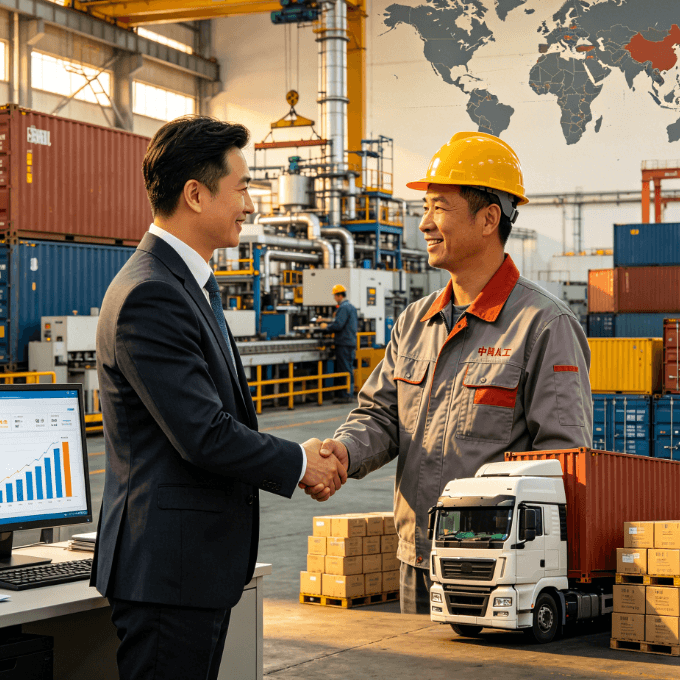
Why Companies Choose to Scale Business by Sourcing China
The primary driver for international sourcing is the significant reduction in production expenses. Chinese factories often offer unit costs that are 30% to 50% lower than Western alternatives. These savings directly impact the bottom line, providing the capital needed for aggressive scaling. Furthermore, the specialized labor force in China ensures high productivity levels across various sectors.
Beyond costs, the sheer capacity of Chinese manufacturers supports rapid growth. These facilities are designed to handle massive purchase orders on short notice. If your demand spikes, a Chinese partner can often ramp up production faster than local suppliers. This scalability ensures that you never miss a sales opportunity due to inventory shortages.
| Feature | Local Sourcing | Sourcing from China |
| Unit Cost | High | Low to Moderate |
| Scalability | Limited | Very High |
| Lead Times | Short | Moderate to Long |
| Customization | Flexible | Highly Specialized |
China’s infrastructure also simplifies the complexity of global distribution. Major industrial hubs are located near world-class ports like Shanghai and Shenzhen. This proximity reduces domestic transit times and lowers international shipping fees. Efficient logistics are a cornerstone for any brand looking to scale business by sourcing China.
How to Manage Quality Control While Scaling Operations
Maintaining consistent quality is a major challenge during rapid expansion phases. To scale business by sourcing China successfully, you must implement rigorous inspection protocols. Many businesses utilize third-party inspection agencies to verify goods before they leave the factory floor. This prevents the costly mistake of shipping defective products to international customers.
Establishing Standards for Manufacturers
Establishing clear Product Specification Sheets (PSS) helps manufacturers understand your exact requirements. These documents serve as a legal and technical benchmark for every production run. Data shows that professional quality control can reduce return rates by up to 15%. This is crucial because high return rates can erase the profit margins gained from low-cost manufacturing.
Communication and Local Expertise
Effective communication is another vital component of quality management. Using local sourcing agents can bridge the cultural and linguistic gap between buyers and sellers. These experts understand local business etiquette and can negotiate better terms on your behalf. They act as your eyes on the ground, ensuring that standards remain high as volumes grow.
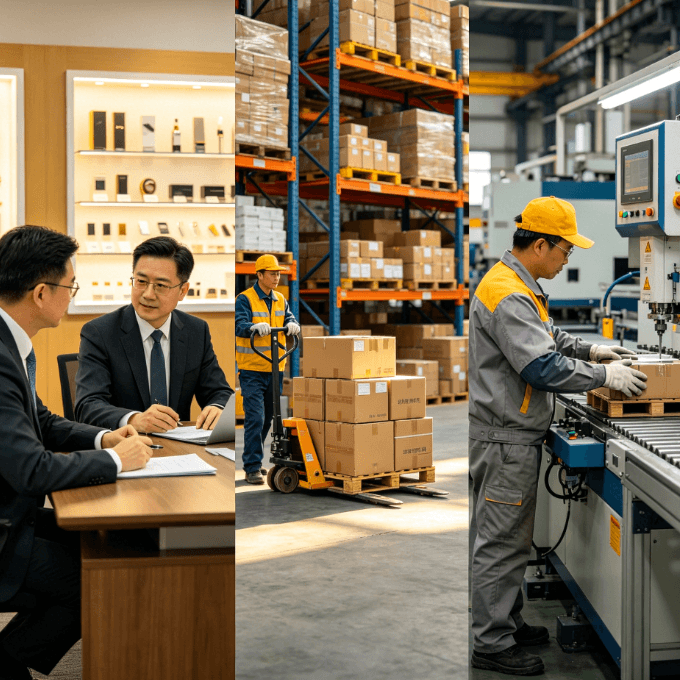
Strategic Benefits of Professional Sourcing and Dropshipping
Modern sourcing has evolved beyond simple bulk purchasing to include advanced fulfillment models. For instance, leveraging a professional Dropshipping-Dienst allows businesses to test new products without holding inventory. This model minimizes financial risk during the initial stages of scaling. It allows for a broader product catalog without the burden of overhead costs.
Integrating a reliable fulfillment partner ensures that orders reach customers quickly and accurately. Efficient logistics providers in China offer specialized packaging and white-labeling options. These services help build brand identity while the physical goods are produced and shipped thousands of miles away. Custom packaging can increase perceived value and customer loyalty.
| Metric | Traditional Sourcing | Dropshipping Model |
| Upfront Cost | High | Low |
| Risk Level | Moderate | Very Low |
| Profit Margin | Higher | Lower |
| Inventory Control | High | Low |
To scale business by sourcing China, you must also consider the pricing structures involved. Utilizing transparent Beschaffungspreisgestaltung models helps businesses forecast their expenses with high accuracy. Knowing the exact costs of procurement, inspection, and shipping allows for better retail pricing strategies. Clear financial planning is the foundation of any successful scaling effort.
How to Select the Right Sourcing Partner for Long-Term Growth
Choosing a partner is the most critical decision when you scale business by sourcing China. You need to determine if a provider can grow alongside your company. Evaluate their existing factory network and their experience in your specific product niche. A partner with a proven track record is more likely to handle complex scaling requirements.
The ideal partner should offer comprehensive services that go beyond just finding a supplier. They should assist with price negotiation, contract management, and logistics coordination. Look for transparency in their communication and a willingness to share detailed inspection reports. A trustworthy partner acts as an extension of your own procurement team.
Furthermore, consider their ability to provide integrated fulfillment solutions. A partner that handles both sourcing and shipping can streamline your entire supply chain. This integration reduces the number of touchpoints and potential points of failure. As your business grows, simplicity and reliability become increasingly valuable assets.

Zusammenfassung
To scale business by sourcing China, focus on balancing cost, quality, and logistics. High-volume manufacturing enables lower unit prices and faster expansion. By implementing strict quality controls and choosing integrated fulfillment partners, businesses can grow sustainably. Ultimately, China remains the most viable hub for global brands seeking competitive advantages and massive scalability.
FAQ
1. How can I ensure product quality when sourcing from China?
You should implement multi-stage inspections and provide detailed product specification sheets to your manufacturer. Hiring a third-party inspection service is the most effective way to verify quality before shipment.
2. What are the main risks when trying to scale business by sourcing China?
The primary risks include supply chain disruptions, quality fluctuations, and intellectual property concerns. These risks can be mitigated by diversifying suppliers and working with reputable sourcing agents who understand the local market.
3. Is dropshipping a viable way to scale a business?
Yes, dropshipping allows you to scale by testing products with minimal upfront investment and zero inventory risk. It is an excellent strategy for expanding your product line quickly while maintaining lean operations.
4. How do I calculate the total cost of sourcing from China?
Total costs include the factory unit price, sourcing agent fees, inspection costs, shipping, and import duties. Using a transparent pricing guide helps in accurately calculating these landed costs for better financial planning.
5. How long does it take to receive goods from China?
Lead times typically range from 30 to 60 days depending on production complexity and the chosen shipping method. Air freight is faster but more expensive, while sea freight is cost-effective for large volumes but takes longer.
Referenz-Quellen
Statista – Global Manufacturing Output by Country
Harvard Business Review – Global Supply Chain Management Strategies