Eine effektive internationale Beschaffung erfordert weit mehr als nur die Suche nach einem günstigen Preis. Unternehmen müssen die Qualität konsequent sicherstellen, erhebliche Risiken minimieren und die Produktionssicherheit gewährleisten. Dieses komplexe operative Umfeld unterstreicht die unverzichtbare Notwendigkeit eines professionellen Beschaffungsagenten. Ein engagierter Beschaffungsagent wird zum entscheidenden Bindeglied zwischen dem Importeur und den Produktionsstätten im Ausland, sorgt für die Einhaltung von Standards und schützt die Gewinne.
Die lokale Präsenz und die Fachkompetenz des Agenten sind für Unternehmen, die im globalen Handel tätig sind, von entscheidender Bedeutung. Sie bieten eine Überwachung in Echtzeit und kulturelle Kompetenz, die Käufer, die aus der Ferne agieren, nicht erreichen können. Daher ist die Zusammenarbeit mit einem Agenten eine strategische Entscheidung, die die Integrität der Lieferkette gewährleistet.

Festlegung des Auftragsumfangs des Beschaffungsbeauftragten
Ein Sourcing-Agent ist ein unabhängiger Experte oder eine Agentur, die ausschließlich im Auftrag eines ausländischen Käufers tätig ist. Er bzw. sie ist im Produktionsland ansässig und fungiert als lokales Beschaffungsteam des Kunden. Seine bzw. ihre Hauptaufgabe besteht darin, sicherzustellen, dass der Lieferant die genauen Spezifikationen und ethischen Standards des Kunden einhält.
So nutzt beispielsweise ein Beschaffungsagent in China sein fundiertes Verständnis des lokalen industriellen Ökosystems und des regulatorischen Umfelds. Diese lokale Spezialisierung ermöglicht eine zügige Problemlösung und ein optimales Leistungsmanagement der Lieferanten. Letztendlich stellt der Agent sicher, dass jede Transaktion den Vorschriften entspricht und für den Importeur vorteilhaft ist.
Die Rolle des Maklers bei der qualitätsorientierten Beschaffung
Die Aufgaben eines professionellen Beschaffungsagenten konzentrieren sich darauf, Komplexität zu bewältigen, um eine hohe Qualität und eine zuverlässige Versorgung zu gewährleisten. Sie kümmern sich um die entscheidenden Details, die internationale Transaktionen oft zum Scheitern bringen.
Fachkundige Überprüfung und Auswahl von Lieferanten
Die erste Aufgabe besteht darin, potenzielle Hersteller zu identifizieren und gründlich zu bewerten. A Beschaffungsagentur nutzt ein firmeneigenes Netzwerk, um zuverlässige Fabriken finden, wobei sie über einfache Messekontakte hinausgehen. Sie überprüfen die Werksregistrierung, die Produktionskapazität und die finanzielle Stabilität.
Die Überprüfung umfasst umfassende Werksaudits, um sicherzustellen, dass die Qualitätskontrollsysteme funktionsfähig sind. Darüber hinaus gewährleistet diese unverzichtbare Sorgfaltsprüfung, dass der ausgewählte Lieferant für eine langfristige Partnerschaft und die Serienfertigung geeignet ist. Diese proaktive Auswahl ist entscheidend, um künftige Qualitätsmängel zu vermeiden.
Verhandlungen und vertragliche Klarheit
Ein zentrales Wertversprechen ist die Fähigkeit des Vermittlers, günstige Konditionen auszuhandeln, die über den reinen Preis hinausgehen. Er sorgt für angemessene Zahlungsbedingungen, setzt einen klaren Schutz des geistigen Eigentums durch und legt die Haftung fest. Vor allem stellt er sicher, dass alle Vereinbarungen nach lokalem Recht rechtswirksam sind.
Der Beschaffungsbeauftragte übersetzt detaillierte technische und Qualitätsvorgaben zu einem klaren, durchsetzbaren Fertigungsvertrag. Diese Klarheit minimiert folglich das Risiko von Missverständnissen und Streitigkeiten während der Produktion.
Umsetzung und Überwachung der Qualitätskontrolle
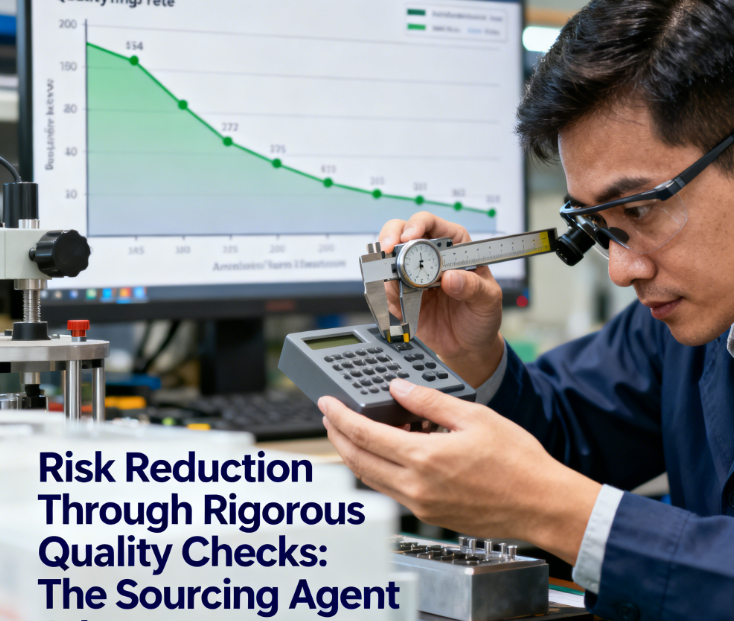
Die Qualitätssicherung ist eine unverzichtbare Dienstleistung des Beschaffungsagenten. Dieser erarbeitet auf der Grundlage der Kundenstandards einen umfassenden Qualitätssicherungsplan. Dieser Plan legt die Prüfkriterien und Toleranzgrenzen fest.
Der Beauftragte führt systematische Kontrollen in wichtigen Phasen durch, darunter vor Produktionsbeginn, während der Produktion und vor dem endgültigen Versand. Durch diese kontinuierliche Überwachung wird sichergestellt, dass etwaige Abweichungen von den Spezifikationen unmittelbar in der Fertigung korrigiert werden.
Logistik und Koordinierung der Lieferkette
Die Steuerung des physischen Warenflusses und der damit verbundenen Dokumentation ist ein weiterer entscheidender Bereich. Der Beschaffungsbeauftragte koordiniert die Verpackung, die Etikettierung und den termingerechten Transport vom Werk zum Hafen. Dabei arbeitet er eng mit bewährten Partnern aus den Bereichen Spedition und Zoll zusammen.
Der Spediteur sorgt dafür, dass alle erforderlichen Ausfuhrgenehmigungen, Zollformulare und Konformitätsbescheinigungen ordnungsgemäß erstellt werden. Diese sorgfältige Abwicklung der Logistik verhindert kostspielige Verzögerungen an der Grenze und gewährleistet einen verlässlichen Lieferplan.

Strategische Vorteile einer Zusammenarbeit mit einem Beschaffungsmakler
Die Beauftragung eines professionellen Beschaffungsagenten bietet konkrete Vorteile, die sich unmittelbar in einem effizienteren und rentableren Importgeschäft niederschlagen.
Garantierte gleichbleibende Qualität
Der Hauptvorteil ist die ständige Präsenz des Vertreters vor Ort, der sich ganz der Aufgabe widmet, Qualitätskontrolle. Sie fungieren vor Ort als ständige Fürsprecher Ihres Unternehmens und minimieren so das Risiko eines “Qualitätsverlusts”. So verhindern sie beispielsweise, dass Fabriken zugelassene Materialien durch billigere Alternativen ersetzen.
Durch die Durchführung mehrerer Prüfungen erkennen und beheben sie Mängel bereits in einer frühen Phase des Fertigungsprozesses. Dadurch werden durch diesen proaktiven Ansatz die Kosten für Rücksendungen, Nacharbeiten und den Schaden am Markenruf erheblich reduziert.
Hervorragende Risikominderung
Die internationale Beschaffung ist mit zahlreichen Risiken verbunden, darunter Betrug, Herstellungsfehler und Störungen in der Lieferkette. Ein Beschaffungsagent geht aktiv auf diese Risiken ein. Er identifiziert politisch stabile Lieferanten und hält auch während lokaler Feiertage oder in Notfällen den Kontakt aufrecht.
Darüber hinaus gewährleisten sie ethische Beschaffungspraktiken und schützen den Kunden davor, mit Arbeitsrechtsverletzungen oder Umweltverstößen in Verbindung gebracht zu werden. Somit bietet der Vermittler einen unverzichtbaren Schutz vor rechtlichen und rufschädigenden Folgen.
Effektive Kostenoptimierung
Dank ihrer fundierten Marktkenntnisse können Beschaffungsagenten äußerst wettbewerbsfähige Preise aushandeln. Sie kennen die tatsächlichen Produktionskosten und verhindern, dass Lieferanten überhöhte Preise verlangen. Darüber hinaus optimieren sie die Kosten, indem sie zuverlässige, kostengünstigere Unterlieferanten für Komponenten.
Durch die Bündelung verschiedener Aufträge und die Optimierung der Verpackung erzielt der Spediteur zudem günstigere Frachtraten. Dadurch erzielt der Spediteur Einsparungen, die in der Regel die Kosten seiner Dienstleistungsgebühr bei weitem übersteigen.
Praxisszenario: Gewährleistung der Produktintegrität
Ein Technologie-Start-up begann, ein komplexes elektronisches Gerät von einem neuen Lieferanten im Ausland zu beziehen. Zunächst bestand die Fabrik das Audit, doch die erste Mustercharge wies eine uneinheitliche Akkulaufzeit und mangelhafte Lötstellen auf. Dem Start-up fehlten die technischen Möglichkeiten, den Fertigungsbetrieb aus der Ferne zu überwachen.
Das Eingreifen des Agenten: Das Start-up stellte umgehend einen technisch versierten Beschaffungsbeauftragten ein. Der Beauftragte entsandte einen Ingenieur für eine Woche in die Fabrik. Der Ingenieur führte an jedem Montagearbeitsplatz eine verbindliche, standardisierte Qualitätscheckliste ein.
Das Ergebnis: Der Beschaffungsbeauftragte setzte eine Änderung des internen Prozesses in der Fabrik durch und schrieb für jedes einzelne Gerät eine bestimmte Löttemperatur sowie einen zweistündigen Akkutest vor. Die Fehlerquote sank auf unter ein Prozent, und das Produkt erfüllte alle Leistungsspezifikationen. Diese Maßnahme sicherte die Produktqualität und den erfolgreichen Markteintritt des Start-ups.
Strategien zur Auswahl eines hochqualifizierten Beschaffungsagenten
Der Erfolg Ihrer Beschaffungsaktivitäten hängt vollständig von der Kompetenz und der Vertrauenswürdigkeit des von Ihnen ausgewählten Beschaffungsagenten ab. Eine sorgfältige Auswahl ist von entscheidender Bedeutung.
Leistungskennzahlen
Konzentrieren Sie sich auf Agenten, die speziell in Ihrer Produktkategorie und hinsichtlich Ihres Mengenbedarfs nachweislich Erfolge vorweisen können. Ein guter Beschaffungsagent sollte über klare, gut dokumentierte Verfahren für Werksaudits und Qualitätskontrollen verfügen. Seine Erfahrung sollte sich in langfristigen Kundenbeziehungen widerspiegeln.
Auch hinsichtlich ihrer Preisstruktur ist Transparenz von entscheidender Bedeutung. Meiden Sie Vermittler, die auf nicht offengelegte Provisionen des Anbieters angewiesen sind, da dies zu einem Interessenkonflikt führt.
Das Überprüfungsverfahren
Fordern Sie Kundenreferenzen von Unternehmen an, die vor ähnlichen Beschaffungsherausforderungen stehen. Bitten Sie den potenziellen Beschaffungsdienstleister, seinen schrittweisen Prozess zur Bewältigung eines Qualitätsmangels detailliert darzulegen. Bestehen Sie auf einem formellen Vertrag, in dem der Leistungsumfang und messbare Ziele klar definiert sind.
Es ist ratsam, ein Beispielprojekt anzufordern, beispielsweise eine erste Lieferantensuche oder einen Bericht über einen Werksbesuch. Anhand dieser Bewertung können Sie die Kommunikationsfähigkeiten und die professionellen Standards des Anbieters einschätzen, bevor Sie eine größere Verpflichtung eingehen.
Kritische Fehler bei der Beschaffung vermeiden
Selbst die besten Partnerschaften können aufgrund grundlegender Fehler scheitern. Unternehmen müssen sich der typischen Fallstricke bei der internationalen Beschaffung bewusst sein und diese proaktiv vermeiden.
Unrealistische Kostenerwartungen
Kosteneinsparungen sind zwar wichtig, doch die Auswahl eines Lieferanten allein aufgrund des niedrigsten Preises ist riskant. Außergewöhnlich niedrige Preise deuten oft auf minderwertige Materialien oder schlechte Arbeitsbedingungen hin. Weisen Sie Ihren Beschaffungsbeauftragten an, vorrangig auf ein ausgewogenes Verhältnis zwischen Kosten, Qualität und der Einhaltung ethischer Grundsätze zu achten.
Fehlende Definition von Qualitätskennzahlen
Verlassen Sie sich in Ihren Spezifikationen niemals auf subjektive Formulierungen wie “hohe Qualität”. Geben Sie Ihrem Beschaffungsbeauftragten klare, quantifizierbare Kennzahlen vor, wie beispielsweise die genaue Materialdichte, die Farbtoleranz (unter Angabe eines Pantone-Codes) und die genauen Maßtoleranzen. Detaillierte Kennzahlen stellen sicher, dass der Beauftragte die Standards effektiv durchsetzen kann.
Mangelhafte Kommunikation mit dem Makler
Behandeln Sie den Beschaffungsagenten als Teil Ihres internen Teams. Stellen Sie ihm vollständige und zeitnahe Informationen über Produktänderungen oder Marktfeedback zur Verfügung. Eine konsequente und klare Kommunikation versetzt den Agenten in die Lage, in Ihrem Namen schnell und entschlossen zu handeln.
Der sich wandelnde strategische Wert des Beschaffungsagenten
Die Rolle des Beschaffungsagenten wandelt sich zu einer anspruchsvollen strategischen Funktion, die für moderne globale Unternehmen unverzichtbar ist. Sie liefern Informationen, die als Grundlage für hochrangige Unternehmensentscheidungen dienen.
Steigerung der Flexibilität in der Lieferkette
In einer Welt, die von ständigen Umbrüchen geprägt ist, benötigen Unternehmen flexible Lieferketten. Der Beschaffungsberater liefert wertvolle Erkenntnisse zur Diversifizierung der Produktion über verschiedene Regionen hinweg. Er identifiziert und prüft Ersatzlieferanten im Vorfeld und sorgt so für Widerstandsfähigkeit gegenüber politischen oder ökologischen Schocks.
Einbindung ethischer Grundsätze
Ethische Beschaffung und Nachhaltigkeit gewinnen bei den Verbrauchern zunehmend an Bedeutung. Der Beschaffungsbeauftragte stellt sicher, dass die Lieferanten die lokalen Arbeitsgesetze und Umweltstandards einhalten, und dokumentiert diesen Prozess. Diese Sorgfalt bei der Einhaltung der Vorschriften schützt den Ruf des Importeurs und den langfristigen Markenwert.
Der professionelle Beschaffungsagent ist ein unverzichtbarer strategischer Partner. Er ist für Unternehmen, die im komplexen Umfeld des internationalen Handels Wert auf eine verlässliche Versorgung, eine hervorragende Qualitätskontrolle und ein solides Risikomanagement legen, von entscheidender Bedeutung.