After selecting your supplier, there are numerous vital details and agreements you must secure before committing funds and launching mass production. This ensures the security of your product information, timely delivery, controlled defect rates, and optimal payment terms.

Here is a refined breakdown of the six key items you need to confirm one-by-one:
1. Proforma Invoice (PI)
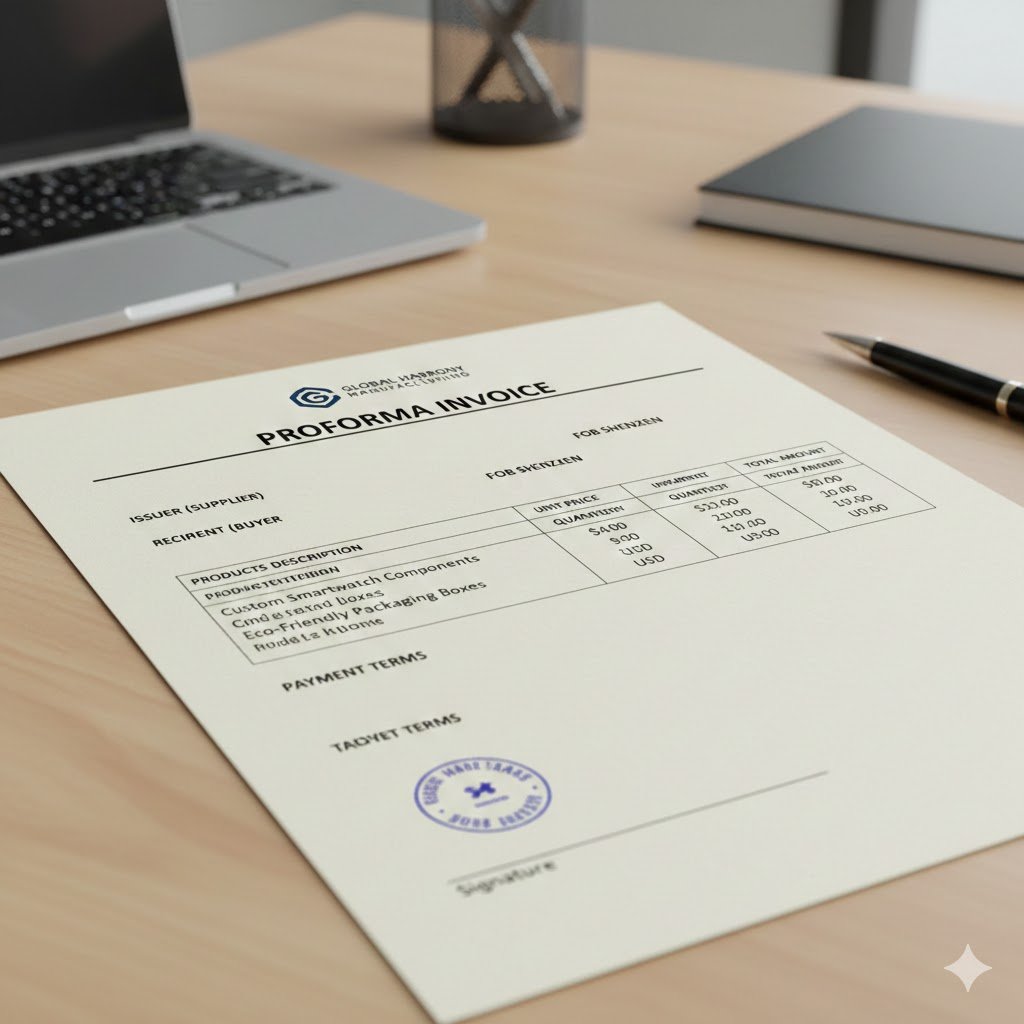
The PI is the initial document you request when deciding to place an order. It is a preliminary bill detailing product and pricing information, and since most suppliers do not provide a formal sales contract, the PI often serves as the core sales agreement.
When reviewing the PI, confirm that it clearly includes:
- Product Specifications: Quantity of each item, product price (and based on which trade term—e.g., FOB, EXW), size, weight, color, materials used, and packaging solutions.
- Logistics & Finance: The supplier’s bank information, agreed-upon payment terms, and the effective date of the price (due to fluctuating USD/CNY exchange rates).
Key Takeaway: Ensure the PI includes every detail necessary to guarantee you receive the correct product on time. Once production is complete, the supplier will issue the Commercial Invoice (CI) for final payment and customs purposes. The amount on the CI must be consistent with what you paid; never undervalue the invoice for the sake of lower import duties, as this carries legal risks.
2. Non-Disclosure Agreement (NDA)
If you have unique designs or intellectual property, confirming the NDA before production is crucial. This protects against the supplier leaking your product or business information, potentially by manufacturing and selling unauthorized extra units.
- Preparation: Most Chinese suppliers will not offer an NDA, so you should prepare your own template.
- Content: Clearly specify what information the supplier cannot share (e.g., price, designs) and that they cannot showcase your product for their marketing purposes. Crucially, include a clause detailing the compensation amount if they breach the agreement.
- Protection Limit: The NDA effectively stops the supplier from copying or leaking information from their side. However, once your product is publicly launched, it’s open to the market. The most effective long-term protection is to register patents in the countries where you intend to sell.
3. Lead Time and Delivery Time

Lead Time is the duration from placing the order (and paying the deposit) until the products are ready to ship.
- Formalize the Deadline: Do not rely on verbal agreements. Put the exact lead time into the PI.
- Breach Clauses: To avoid production delays, include breach clauses specifying the compensation amount if the supplier fails to meet the promised deadline. If you only specify the lead time without a compensation clause, you will receive nothing for delays.
- Delivery Time: This is the time it takes for goods to physically arrive at your location. For urgent deadlines, negotiate an on-time delivery agreement. For new suppliers, a wise (though often difficult to negotiate) strategy is to hold some of the final balance until the products are received on time.
4. Quality Requirements & Defect Solutions
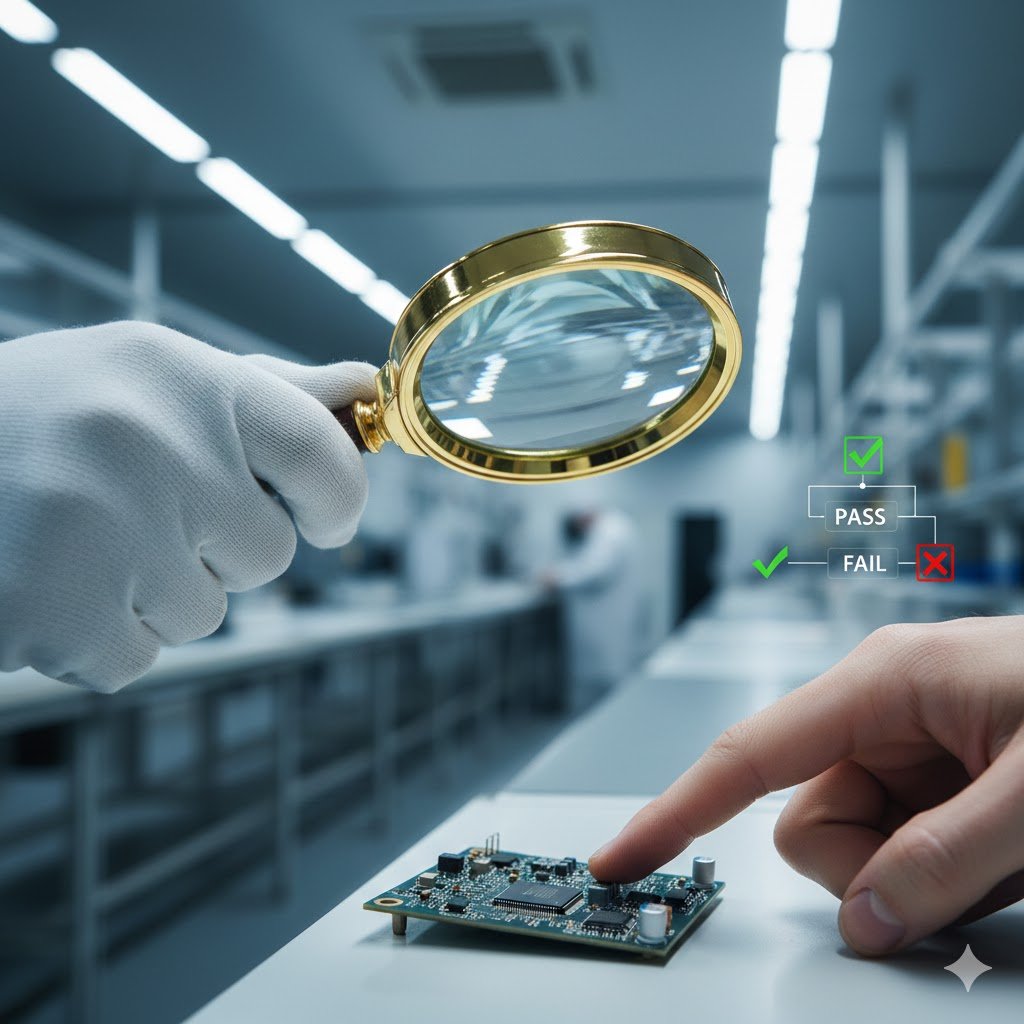
A low defect rate is acceptable, but the acceptable level must be confirmed in advance.
- Acceptable Rate: Confirm the maximum acceptable defect rate with the supplier (e.g., 5% for low-value goods, 0% for high-value goods) and clarify tolerance levels for specific types of defects.
- Pre-Agreed Solution: Before placing the order, clarify your chosen solution should the defect rate exceed the agreed-upon limit:
- Ask for the entire batch to be reproduced and re-inspected.
- Hire personnel to pick out the flawed items and demand replacements, with the supplier covering the expenses.
- Simply ask for compensation (a discount).
5. Payment Methods
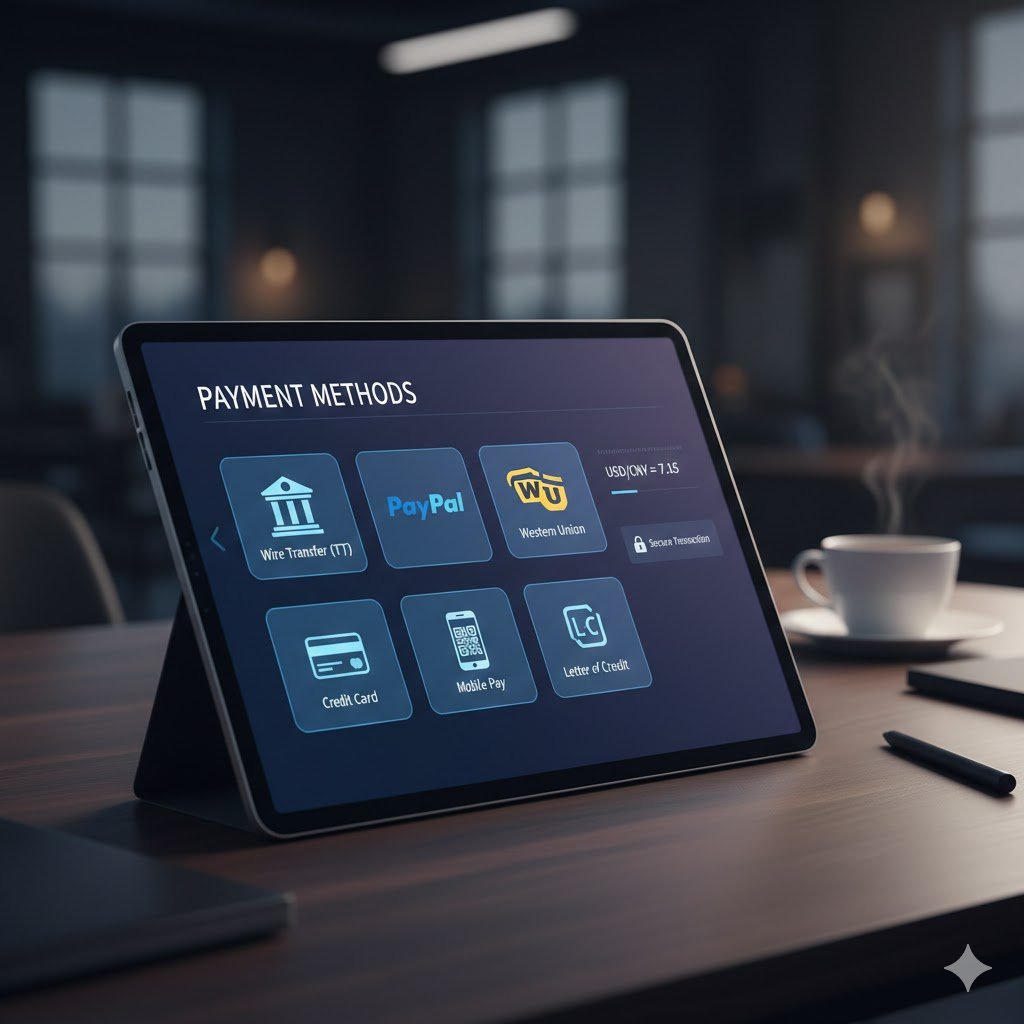
The most common methods for sending USD to Chinese suppliers are:
| Method | Security / Fee / Note |
| Wire Transfer (T/T) | No third-party security. Fee is fixed ($20–$50). Best for large amounts and commonly accepted. Takes 1–7 working days. |
| Western Union | No third-party security. Suitable for sending less than $5,000 when a direct wire is not possible. |
| PayPal | Offers transaction security, but has a high fee (approx. 4%). Not accepted by all suppliers (due to risk of buyer chargebacks) and generally requires a tracked shipping system. |
| Letter of Credit (L/C) | Bank guarantees payment upon shipment, mitigating trust issues. Excellent for large orders and reducing buyer cash flow pressure, but complex for new importers. |
6. Payment Terms

Payment terms are vital for cash flow management. Negotiating better terms allows you to pay later and reinvest profits sooner.
| Payment Term | Description | Cash Flow Impact |
| 30% Deposit, 70% Balance Before Exporting | Most common term. Full payment is due before the cargo leaves China. | You pay the full cost 1–2 months before you can sell any product. |
| 30% Deposit, 70% Balance Against Bill of Lading (B/L) | Balance is paid once the cargo has been shipped, in exchange for the B/L copy. | Better cash flow; you don’t pay the balance until the goods are on the water, approaching your port. |
| 0% Deposit, Full Balance Against B/L | Requires a very good long-term relationship with the supplier. | Significant cash flow advantage. |
| Open Account (O/A) | Payment due after receiving the products (e.g., net 15 or 30 days). | Ideal but rare. Typically used by big retailers, as the supplier relies on export credit insurance (like Sinosure) to guarantee payment. |
Consideration: Suppliers are more willing to offer better terms (like Balance Against B/L or O/A) for highly competitive products with thin profit margins, or for large, consistent orders (tens of thousands of USD or more).