China is the world’s largest and best manufacturer, and millions of businesses rely on importing goods from there for resale.
However, many prefer buying from local vendors, believing their business is too small, finding a reliable Chinese supplier is too difficult, or the importing process is overly complicated.

In reality, regardless of the product, your business size, or even if you are just buying for personal use, you can import directly from China.
The required method and budget vary significantly based on your business model and product type.
This post analyzes the budget from the perspective of five distinct business models:
Budget Analysis: Five Business Models
1. Smallest Budget ($100) Startup: Importing via Dropshipping
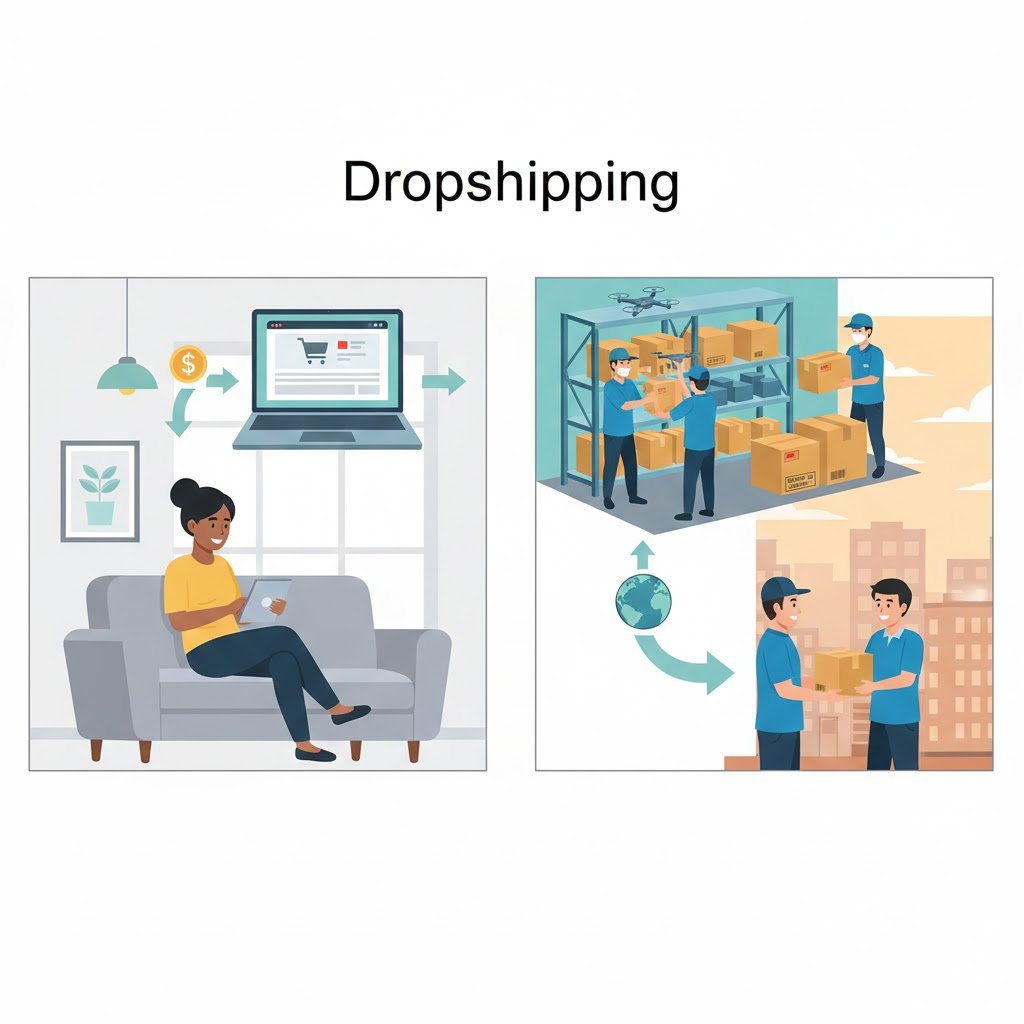
Dropshipping is the simplest, easiest, and cheapest way to start an e-commerce business and import products from China without holding inventory or risking large stock.
- Startup Costs:
- Platform Fee: A basic Shopify plan is about $29/month (often with a 90-day free trial).
- Branding: Registering a domain name costs about $10.
- Marketing: Initial spend of roughly $50 on Facebook ads or $50 to hire a small social media influencer (YouTube/Instagram).
- Sourcing & Logistics: After a customer orders, you use platforms like Aliexpress to have Chinese suppliers send the product directly via cheap services like China Post e-package (delivery takes 10-20 days).
- Summary: Startup cost is only a few hundred dollars. The main drawback is you order single units and cannot get the lowest wholesale price (bulk ordering can lower the price by 30% to 50%).
- Value: Excellent for early stages as you avoid inventory, brand building, and complex logistics.
2. Importing Budget for Mature E-commerce Sellers ($2,000+)
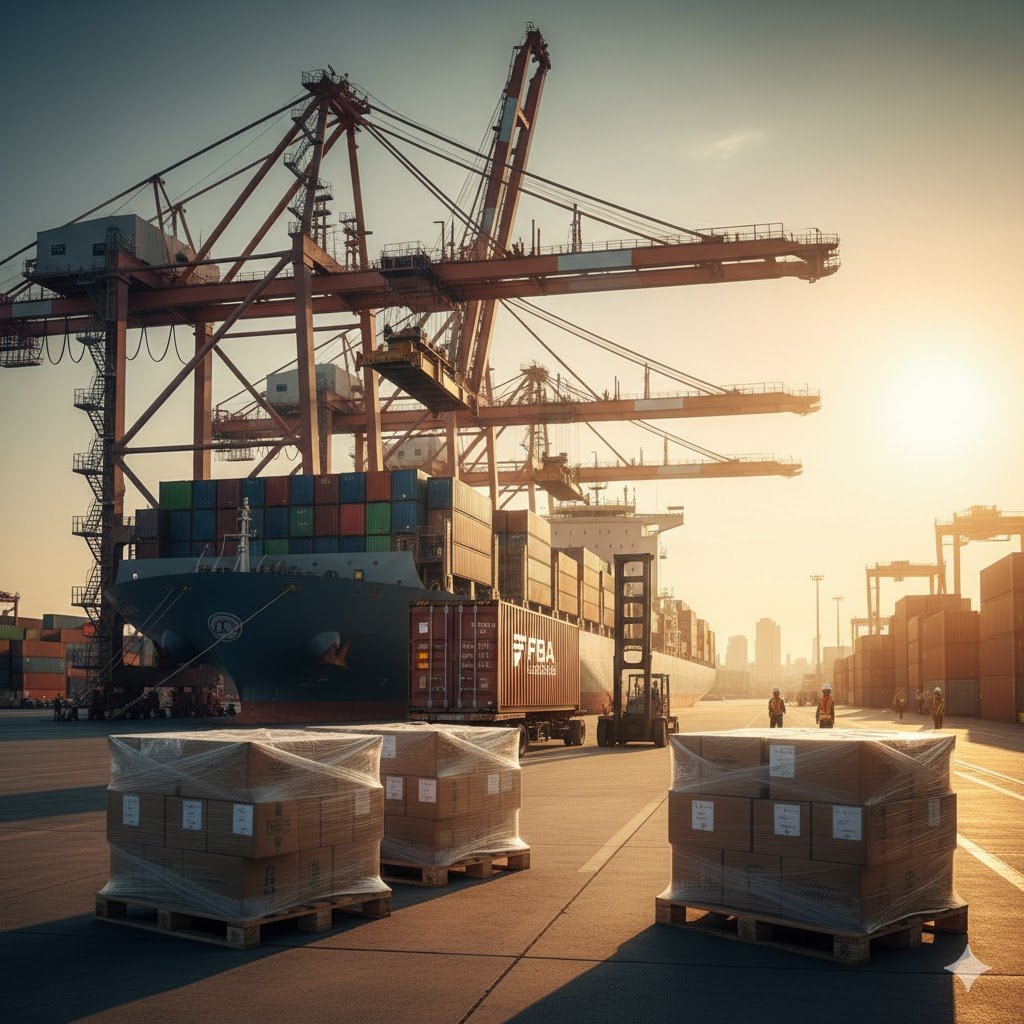
As your business (like an Amazon FBA store) matures, successful sellers often transition to selling their own private label products. Supply chain management becomes crucial.
- Sourcing Strategy: You must deal directly with Chinese manufacturers or trading companies and purchase in large quantities to drive the cost down. Even a 10% price difference is substantial when buying 5,000 or 10,000 units.
- Minimum Order Quantity (MOQ): For most daily products, the supplier’s MOQ is typically $1,000 for one product style with limited color options. (e.g., $1,000 for 2,000 mugs in 2-3 colors).
- Logistics Budget:
- For low-value, bulky items like mugs, sea freight is the cheapest option, especially for cargo over two cubic meters (CBM).
- Sea Freight Example: Shipping to a US Amazon FBA center costs about $500 and takes 35 days.
- Air Freight: Would cost over $2,000 and take 7 days, significantly reducing profit.
- Summary: To purchase daily products and ship by sea freight, you need at least $2,000.
- Supplier Search: Use Google, Alibaba, and other Chinese B2B platforms. A more efficient way is to use a China sourcing company to manage sourcing, production follow-up, quality control, and shipping.
3. Budget for Developing and Manufacturing New Products
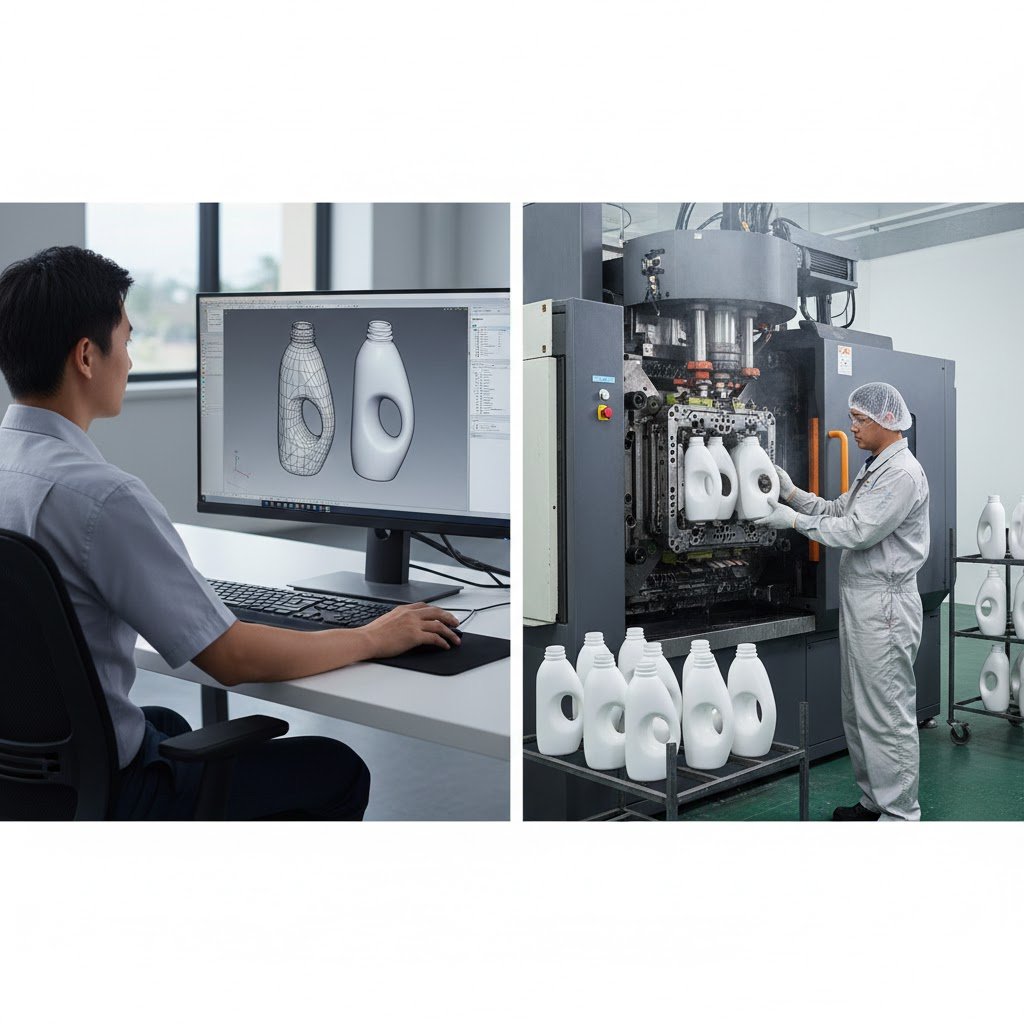
If you want to design a brand-new product or modify an existing one (like the Baby Blendy auto-mixing bottle), you’ll need a different budget structure.
- Budget Complexity: Costs vary greatly depending on the product material.
- Simple Products (Apparel, Bags, Shoes): Made mainly of fabric and accessories, these often require a lower MOQ. Most manufacturers will accept around $1,000 MOQ for one style.
- Complex Products (Plastic): Plastic products require high-temperature melting and injection into a plastic mold. Manufacturers need to develop a specific mold for your product.
- Mold Cost: A mold for a simple new plastic cup lid can cost at least $2,000.
- Budget Advice: If your budget is not at least $10,000, you should avoid developing new plastic products.
- Private Label (Existing Products): If you only want to put your logo on existing items, the budget is similar to Section 2: around $2,000 will suffice.
4. Budget for Traditional Wholesale/Retail Businesses

Traditional offline retailers often buy from local wholesalers because their purchase quantities are too small for Chinese manufacturers’ MOQs, they need many different product designs, and local vendors offer credit terms.
- Budget Advice: If your business is stable and you can purchase around $500 per product category, it is advisable to make a larger one-time purchase of $10,000 to $20,000 from China, covering more product categories. This reduces the per-unit shipping cost, making the total cost lower than buying locally.
- Best Solution: Find a reliable China sourcing company to handle the purchasing, quality inspection, and shipment arrangements.
5. Importing for Personal or Company Use

You can import for personal or company use if the total cost is significantly lower than buying locally.
- Suitable Products: Large items like furniture, tiles, or bathroom fixtures/building materials. Local retailers add high labor and warehousing costs to these bulky items.
- Budget Advice: For large purchases (e.g., furniture for a new house or materials for a new restaurant/hotel), it is recommended to visit China to purchase in person.
- Logistics Advantage: These large articles easily meet the minimum standards for sea transport. Even with Less than Container Load (LCL) shipping, including the cost of a return trip to China, you can still save over 30%-50% compared to buying from local vendors.
- Where to Go: For furniture and building materials, visit the wholesale markets in Guangzhou or Foshan city in Guangdong province.
I hope this provides a clear overview of the required budgets and strategies for importing from China.