After identifying your product, the next critical step is sourcing a reliable supplier in China. China offers an unparalleled environment for producing good-quality products at a low cost.
Thanks to the internet, traveling to China is no longer necessary. While many only know of Alibaba, which can be overwhelming and often has high Minimum Order Quantities (MOQ) unsuitable for beginners, there are several powerful online methods available.
This guide introduces four key methods to find Chinese suppliers, suitable for businesses of all sizes, from those with a starting budget of $100 to large-scale operations.
1. Find Suppliers from AliExpress and DHgate (Best for Small Orders)
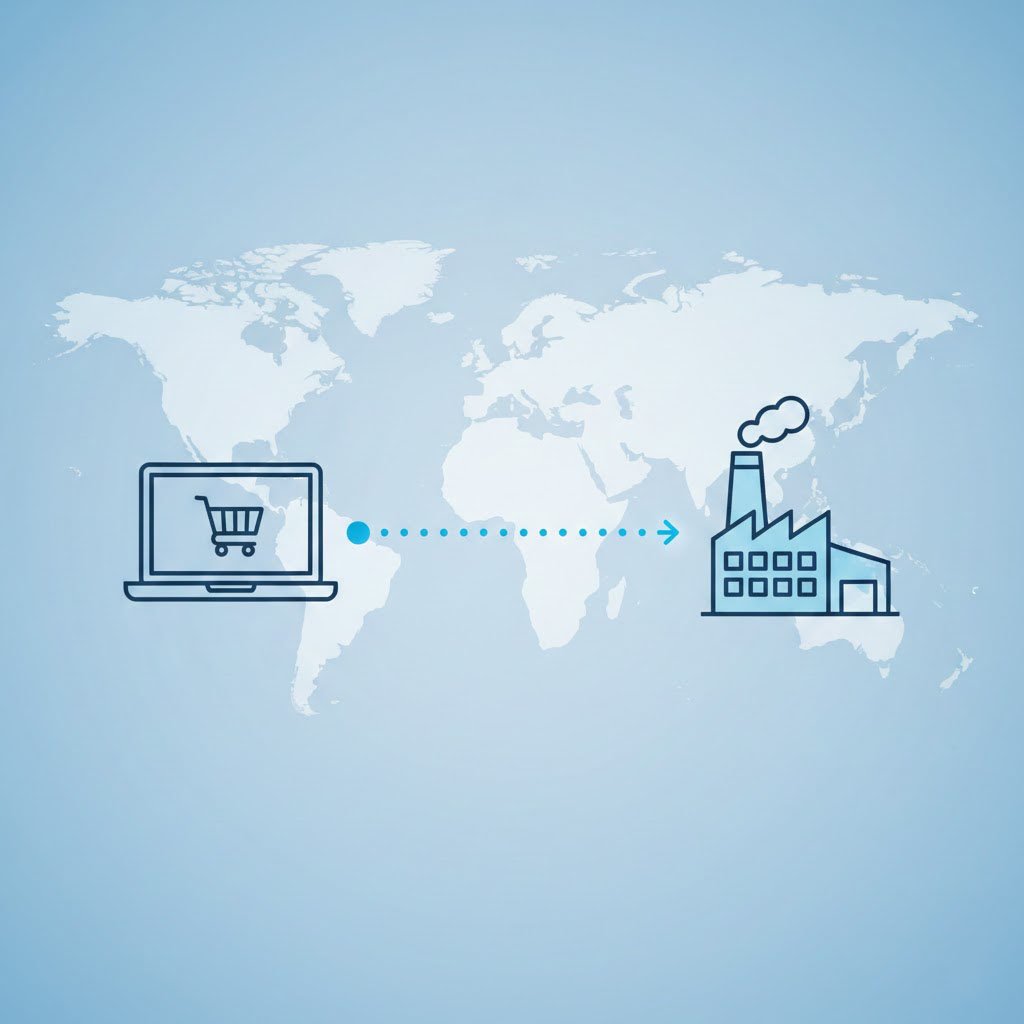
For small businesses, low-volume purchases, or dropshipping, AliExpress and DHgate are ideal. These platforms are designed for small-quantity buyers and offer a user-friendly, retail-like shopping experience.
- Process: The purchasing process is simple—just check selling history and reviews. No complex negotiation or import/export knowledge is required, as shipping costs (via China Post, FedEx, or DHL) are calculated automatically. Refunds are also easily accessible.
- AliExpress Suitability:
- Best for: Orders under $100 or dropshipping.
- Pricing: Little difference between buying 1 unit vs. 100 units.
- DHgate Suitability:
- Best for: Orders between $100 to $1,000.
- Pricing: Suppliers often set price breakdowns for different quantities (10, 50, 100+ units), making it a good step up from AliExpress when Alibaba’s MOQ is too high.
- Example: A resistant band set may cost $8 on AliExpress (30-day delivery) but only $4.50–$5 on DHgate, including faster DHL shipping for 100+ sets.
- Key Differences:
- Variety: AliExpress (owned by Alibaba Group, integrated with Taobao) has a bigger number of suppliers and a greater product variety than DHgate.
- Limitation: These platforms are not ideal for fast-growing, long-term businesses. Most sellers are wholesalers, not manufacturers, meaning product quality may vary across different batches, making consistency difficult to maintain when buying thousands of dollars worth of product.
2. Find Suppliers from Alibaba or Other B2B Trading Platforms (Best for Large, Long-Term Business)
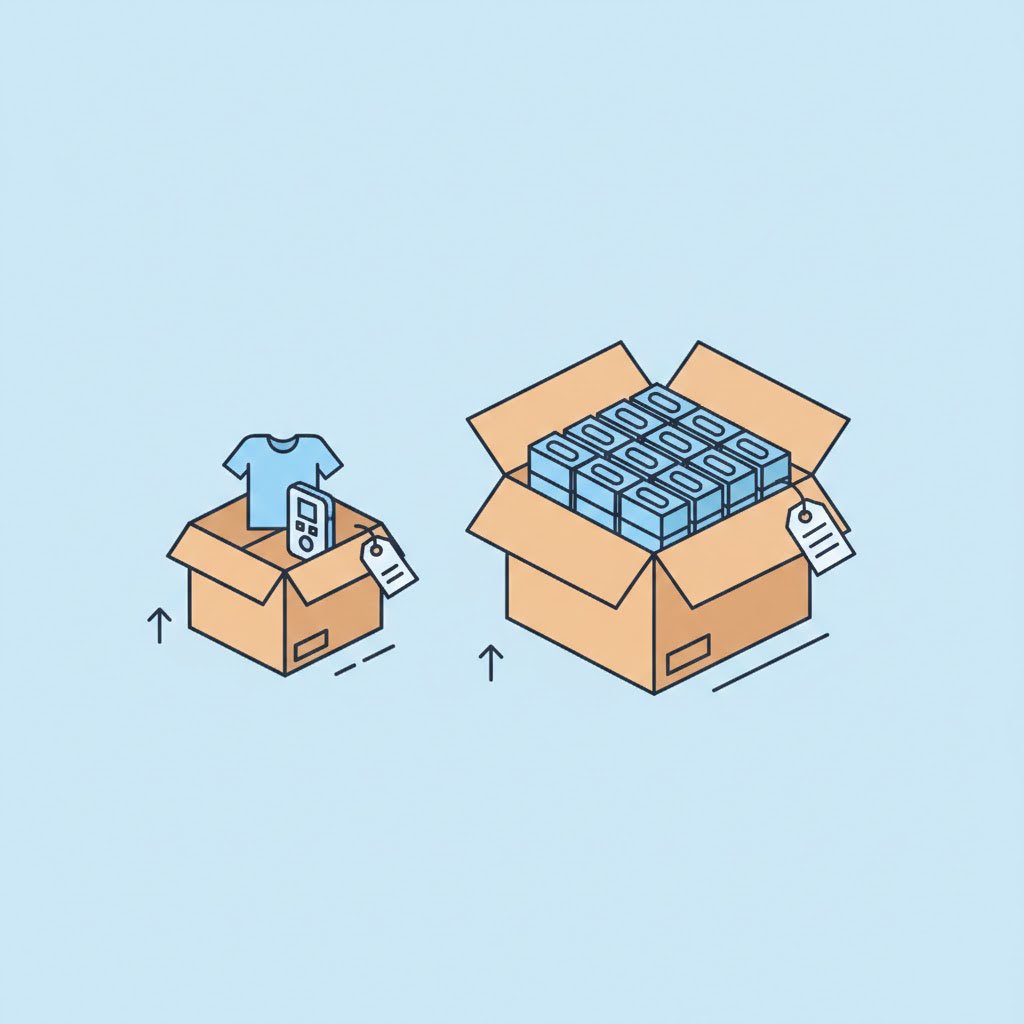
If you have a budget of a few thousand USD and plan for a long-term, fast-growing business, use Alibaba or similar B2B trading platforms to find reliable manufacturers or trading companies.
- Process: Alibaba acts as an online trade show. You communicate with suppliers via email or Trade Messages to discuss pricing, customization (design/packaging), contracts, and invoices. The supplier manufactures new products after receiving payment.
- Supplier Types:
- Manufacturers: Make and sell products directly.
- Trading Companies: Source and resell products from manufacturers. While they don’t produce the goods, their prices are often competitive, and they can offer highly professional, efficient service.
- Finding Suppliers:
- Direct Search: Search product keywords and contact suppliers individually.
- RFQ (Request for Quotation): Submit your inquiry and let interested, qualified suppliers reach out to you.
- Transaction Safety:
- Traditional: Wire transfer (less secure).
- Recommended: Use Alibaba Trade Assurance. This protects you by offering a refund if products are late or of poor quality.
- Alternatives to Alibaba:
- Global Sources: Better for gifts and electronic products. It charges high membership fees (around $30,000/year), which helps filter for older, bigger-scale manufacturers.
- Made in China: Focuses on machinery products after losing B2B market share to Alibaba.
3. Find Suppliers by Using Google Search

Chinese suppliers, facing fierce competition on Alibaba, are increasingly building their own websites and utilizing Google SEO or Google Ads to acquire customers at a lower cost and gain more direct exposure.
- How to Search: Combine product keywords with terms like “manufacturer,” “factory,” or “wholesaler.” Review the top 100 organic and paid results for professional-looking Chinese company websites.
- Evaluation and Safety Tips: Identifying legitimacy is the main challenge, as there’s no third-party protection.
- Ask for an Alibaba Store: If they have one, use Alibaba Trade Assurance for the transaction.
- Check Domain Age: Use a Whois lookup to see when the website domain was registered. A longer-registered domain that is still active suggests higher legitimacy.
- Check Website Details: Look for a real China address, photos of their office/factory/team, or evidence of attending trade shows. Be cautious of suppliers who do not post any company or team photos, as they may be one-person operations.
- Advantage: Google can be more efficient than Alibaba if you are looking for a professional manufacturer to help develop a brand new product rather than just a specific existing item.
4. Find Suppliers from LinkedIn or Facebook

Some Chinese suppliers are actively using LinkedIn and Facebook for free outreach to foreign buyers, promoting products and publishing content.
- How to Search: Search product keywords combined with business-related keywords (e.g., “perfume bottle manufacture” on LinkedIn). You can easily find salespeople, trading company reps, or even business owners.
- Process: Search results will show product information, manufacturer photos, or company posts. You must contact them one-by-one to get product catalogs or discuss your specific product needs.
- Disadvantages:
- Lower Volume: You won’t find as many suppliers as on Alibaba or Google.
- Vague Background: It is difficult to understand a supplier’s full company background or product line just by viewing a salesman’s social media page.